
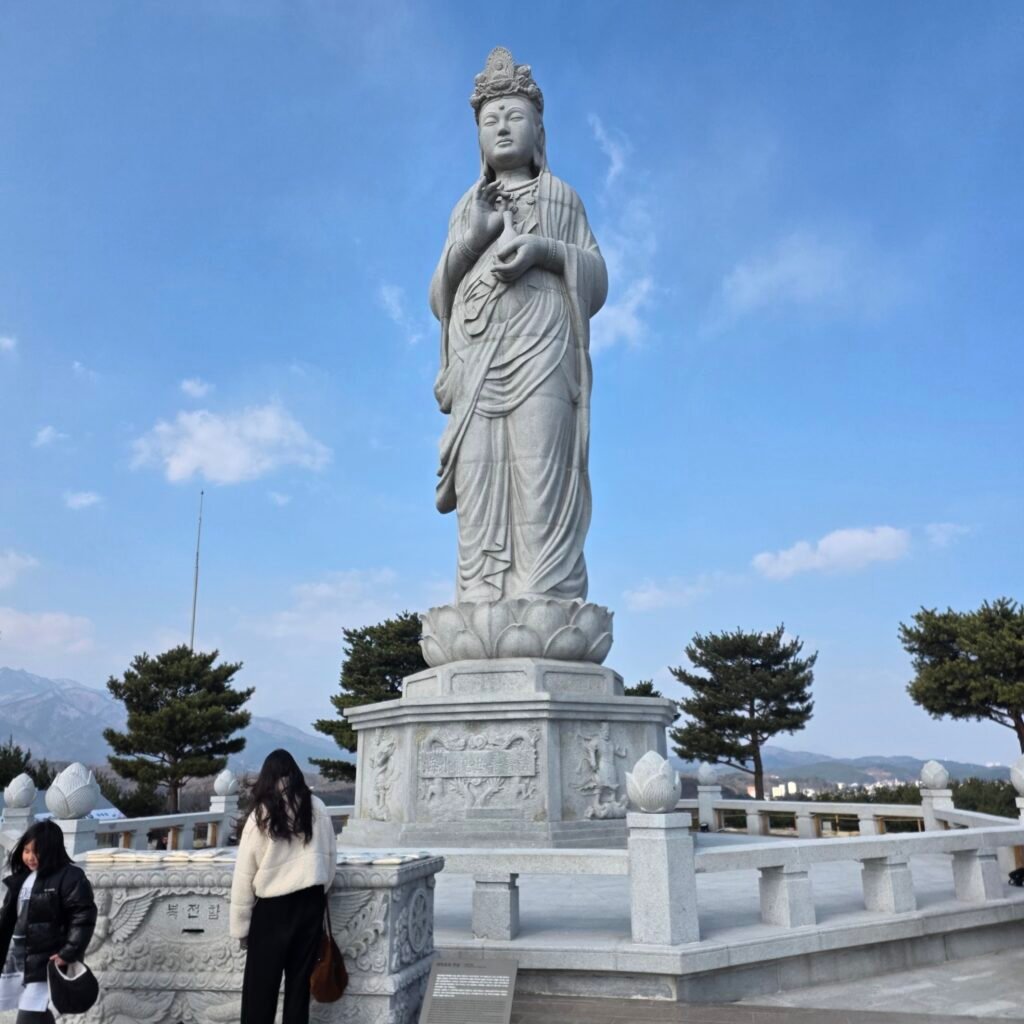
Naksansa Temple Stay 2026: A Soul-Searching East Sea Retreat
I visited Naksansa Temple last autumn, and the experience of waking up at 4:00 AM to the sound of crashing waves and the rhythmic chanting of monks was truly transformative. Watching the sun rise over the East Sea from the Uisangdae Pavilion, I felt a sense of peace that I hadn’t found in the bustling streets of Seoul. This unique blend of coastal beauty and spiritual discipline is exactly why a Naksansa Temple Stay has become a top-tier experience for travelers seeking a deeper connection with Korea’s natural and spiritual heritage.
📋 What’s Inside
Quick Facts: Naksansa Temple Stay at a Glance
I spent one night at Naksansa two years ago. The pre-dawn bell ceremony at 3am is physically uncomfortable. It is also something I still think about regularly two years later. Worth trying once if you’re open to it.
| Cost | ₩50,000 – ₩80,000 per night (meals included) |
| Duration | 1 night 2 days (most popular program) |
| Language | English-speaking staff available |
| Best Season | Spring (April–May) & Autumn (October–November) |
| Booking | eng.templestay.com (book 2–4 weeks ahead for weekends) |
| Address | 100 Naksansa-ro, Ganghyeon-myeon, Yangyang-gun, Gangwon-do |
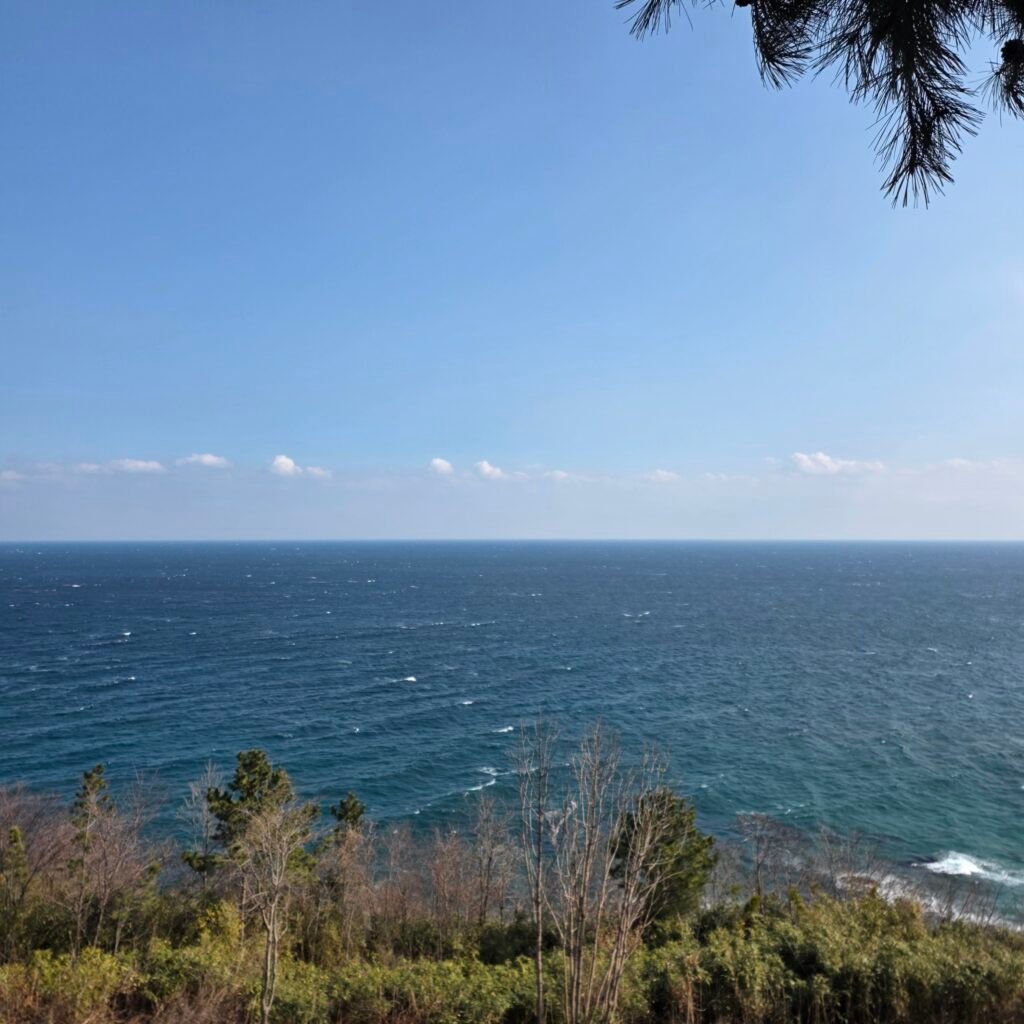
The Coastal Heart of Korean Buddhism
A Naksansa Temple Stay offers a rare opportunity to immerse yourself in the 1,300-year history of one of Korea’s most significant seaside temples. Founded in 671 by the great monk Uisang, Naksansa is dedicated to Avalokitesvara, the Bodhisattva of Compassion. Unlike many mountain-bound temples, Naksansa sits majestically on the cliffs of Yangyang, providing a dramatic backdrop for meditation and reflection. Foreigners are increasingly drawn to this location because it combines the traditional monastic lifestyle with the breathtaking scenery of the East Sea, making it a perfect retreat for both the mind and the eyes.
The Flavor of the Sea: Coastal Temple Food
The sensory experience of a templestay at Naksansa is defined by its refreshing and clean flavors. The temple food here often incorporates local ingredients from the nearby Seoraksan mountains and the East Sea. The flavor profile is characterized by its subtle, earthy, and mineral-rich notes, avoiding the “five pungent spices” (garlic, green onions, leeks, chives, and onions) to maintain a calm and focused mind.
| Sensory Element | Description |
| Taste | Refreshing and clean; emphasizes the natural salinity of seaweed and the earthiness of mountain herbs. |
| Aroma | A mix of salty sea breeze and the calming scent of traditional wood incense (Hyang). |
| Sound | The constant, rhythmic crashing of waves against the cliffs, harmonizing with the temple bell. |
Essential Ingredients for a Coastal Feast
Naksansa’s diet relies on fermented basics and local treasures. Here are the core ingredients you will encounter:
•Miyeok (미역): Mineral-rich seaweed, often used in clear soups for a refreshing taste.
•Gamtae (감태): A delicate green seaweed with a unique, slightly sweet and bitter flavor profile.
•Doenjang (된장): Fermented soybean paste, providing a deep, savory base for stews.
•Sanchae (산채): Wild mountain greens sourced from the nearby Seoraksan area, like bracken (Gosari).
•Dubu (두부): Soft, handmade tofu, which serves as the primary source of protein in the monastic diet.
How to Book Naksansa Temple Stay (Step by Step)
Booking is easier than most foreigners expect. Here’s exactly how to do it:
- Go to eng.templestay.com — the official Templestay booking site. Avoid third-party resellers as they charge markups.
- Search for “Naksansa” in the search bar and select the temple.
- Filter by “English” capability — Naksansa has English-speaking staff (ask for EJ if available — she’s exceptional).
- Choose between two program types:
- Experience Program: Structured schedule with monks. Meditation, chanting, Baru Gongyang meal. Best for first-timers.
- Relaxation (Freestyle) Program: Flexible. You follow the temple rhythm but at your own pace. Good if you want to rest.
- Pay by credit card. Foreign cards are accepted. Note: cancellation fees apply within 3 days of arrival.
💡 Weekend tip: Saturday nights book up 4–6 weeks in advance. Weekday stays are easier to book and quieter.
Step-by-Step Guide to Your Naksansa Experience
If you are planning to join a program at Naksansa, here is what a typical 1-night, 2-days schedule looks like:
1.Arrival and Orientation: Check-in at the Templestay office and receive your uniform—a comfortable vest and wide-leg pants.
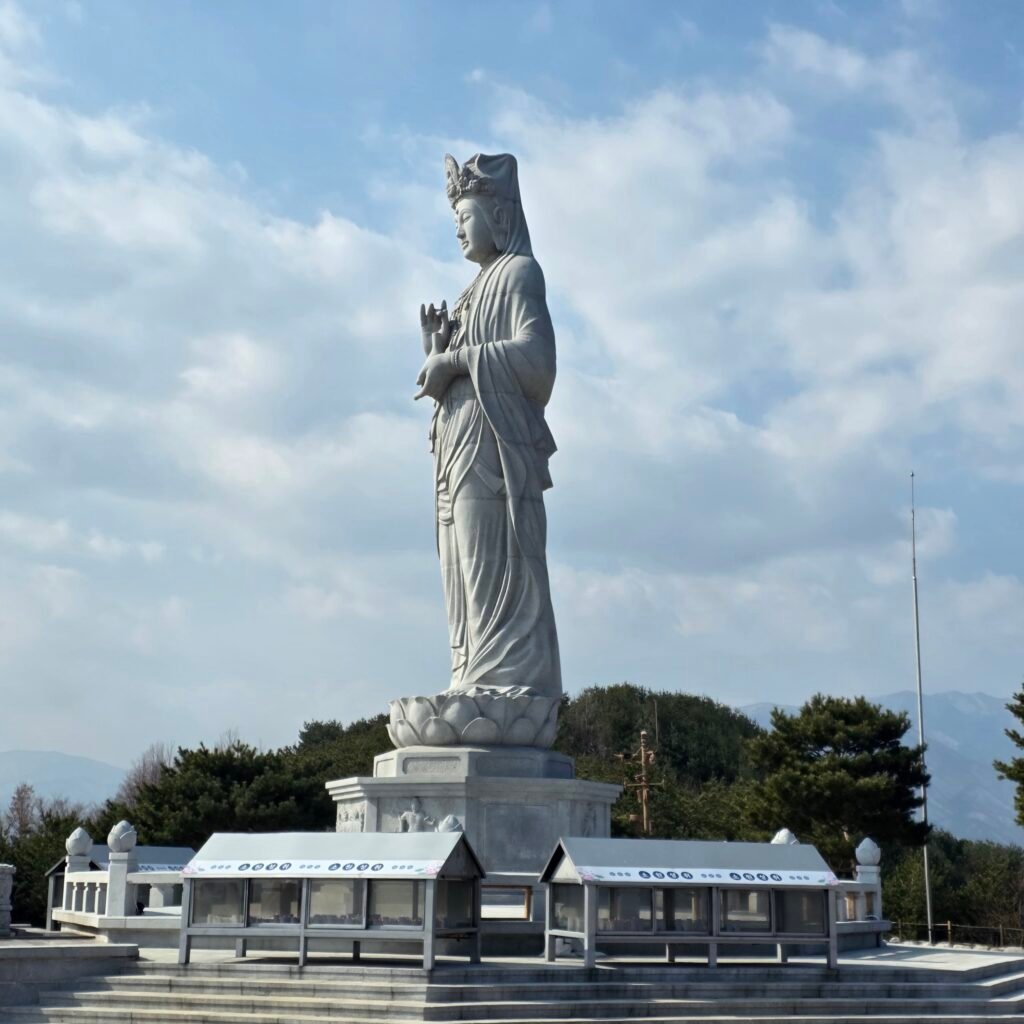
2.Temple Tour: Walk along the coastal paths to see the Haesugwaneum-sang, a massive white stone statue of the Bodhisattva of Compassion overlooking the sea.
3.Baru Gongyang (Formal Monastic Meal): A meditative way of eating using four bowls. You must finish every grain of rice and even wash your bowls with water and a piece of yellow radish.
4.Yebul (Chanting Service): Join the monks in the main hall for evening or morning chanting, a powerful experience of sound and devotion.
5.Sunrise Meditation: Head to the Uisangdae Pavilion before dawn to practice sitting meditation as the sun rises over the horizon.
6.Tea Ceremony (Da-do): Share a cup of tea with a monk and discuss life, happiness, and Buddhism while listening to the waves.
How to Get to Naksansa from Seoul
Getting here is straightforward via express bus — no car needed.
By Express Bus (Recommended):
- Seoul Express Bus Terminal (고속터미널) → Yangyang Bus Terminal
- Journey: approximately 2.5 hours
- Fare: around ₩15,000–₩18,000 one way
- Buses run roughly every 30–60 minutes
From Yangyang Bus Terminal to Naksansa:
- Take local bus No. 9 or 9-1 directly to the temple entrance
- Or take a taxi — approximately ₩5,000–₩7,000, about 10 minutes
From Sokcho:
- Local bus or taxi from Sokcho to Naksansa takes about 20–25 minutes
- Good option if you’re combining with Seoraksan National Park
💡 Pro tip: If you’re visiting Seoraksan on the same trip, stay in Sokcho and day-trip to both. The temple and the national park are within 30 minutes of each other.
Why Naksansa is a Must-Visit in Yangyang
While there are many temples in Korea, Naksansa stands out for its unique location and historical significance. It is easily accessible from Seoul via express bus to Yangyang, followed by a short taxi ride.
| Feature | Description |
| Location | Yangyang, Gangwon-do (Coastal cliffs overlooking the East Sea). |
| Best For | Nature lovers, sunrise enthusiasts, and those seeking a peaceful coastal retreat. |
| Key Landmark | Hongryeonam Hermitage, built over a sea cave where Uisang is said to have met the Bodhisattva. |
Pro Tip: Eat Like a Local
When participating in Baru Gongyang, remember that it is not just about filling your stomach; it is a practice of gratitude. Keep your movements silent and avoid making noise with your utensils. Most importantly, only take as much as you can eat—leaving even a single grain of rice is considered disrespectful to the effort put into growing and preparing the food.
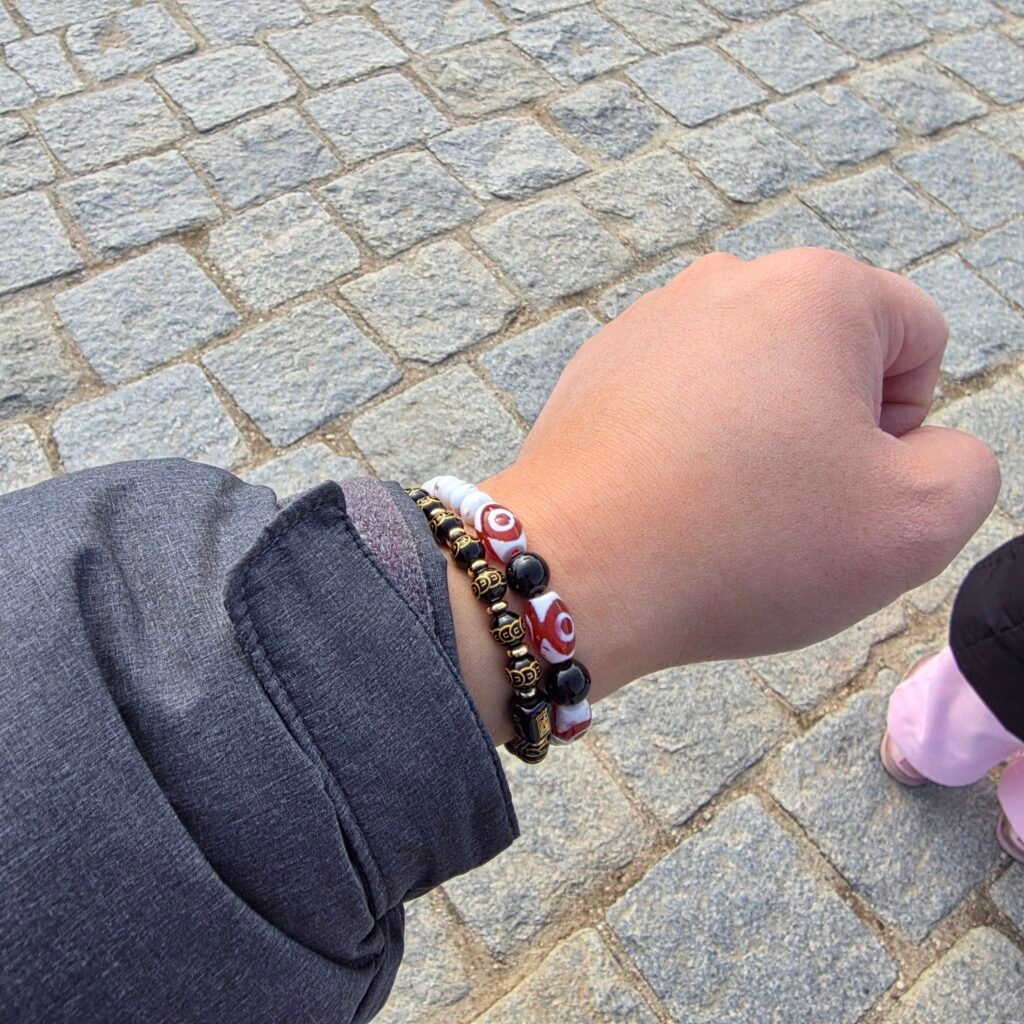
Tips: Buy additional accessory beads at the entrance.
It will bring you good luck.
Quick Answers
Is Naksansa temple stay suitable for beginners with no Buddhist background?
Absolutely. Nearly 40% of temple stay participants are non-religious. You are not required to perform any ritual you’re uncomfortable with. The staff will guide you through everything.
Do I need to speak Korean?
No. Naksansa’s program is listed on the English booking site, so check its page for English support before you book.
What should I pack for a temple stay?
Comfortable, loose clothing (the temple provides a vest and wide-leg pants), socks, basic toiletries, a small towel, any personal medication, and optionally earplugs if you’re a light sleeper. Leave valuables at home.
Can I visit Naksansa as a day trip without staying overnight?
Yes. General temple admission is open to visitors. However, the temple stay experience — the 4AM wake-up, wave meditation, Baru Gongyang meal, and tea ceremony with a monk — is only available if you book the overnight program.
What is wave meditation?
Naksansa’s signature practice. You sit in meditation above the East Sea cliff and use the sound of crashing waves as your anchor for mindfulness. It’s unlike any meditation you’ll experience at an inland temple.
