
Korean Strawberry & Cherry Festival 2026: An Honest Local Guide
“
I drove two hours into the Korean countryside in the pouring rain — and honestly, it was one of the best festival weekends I’ve had in years.
As a Korean dad living just outside Seoul in Gyeonggi-do, I’ve been to my fair share of local festivals. You know the type — a few tents, some vendors selling the same hotteok you can find anywhere, and a sad-looking mascot. But this past June weekend, I loaded up the car seat, packed rain gear for my four-year-old, and headed toward Damyang and a smaller cherry festival in South Chungcheong Province. What I found completely changed how I think about Korea’s early summer festival scene. If you’re a foreigner visiting Korea in June and wondering whether the countryside festivals are worth the hassle, let me save you some research time.
📋 Quick Navigation
Why June Is Secretly the Best Month for Korean Festivals
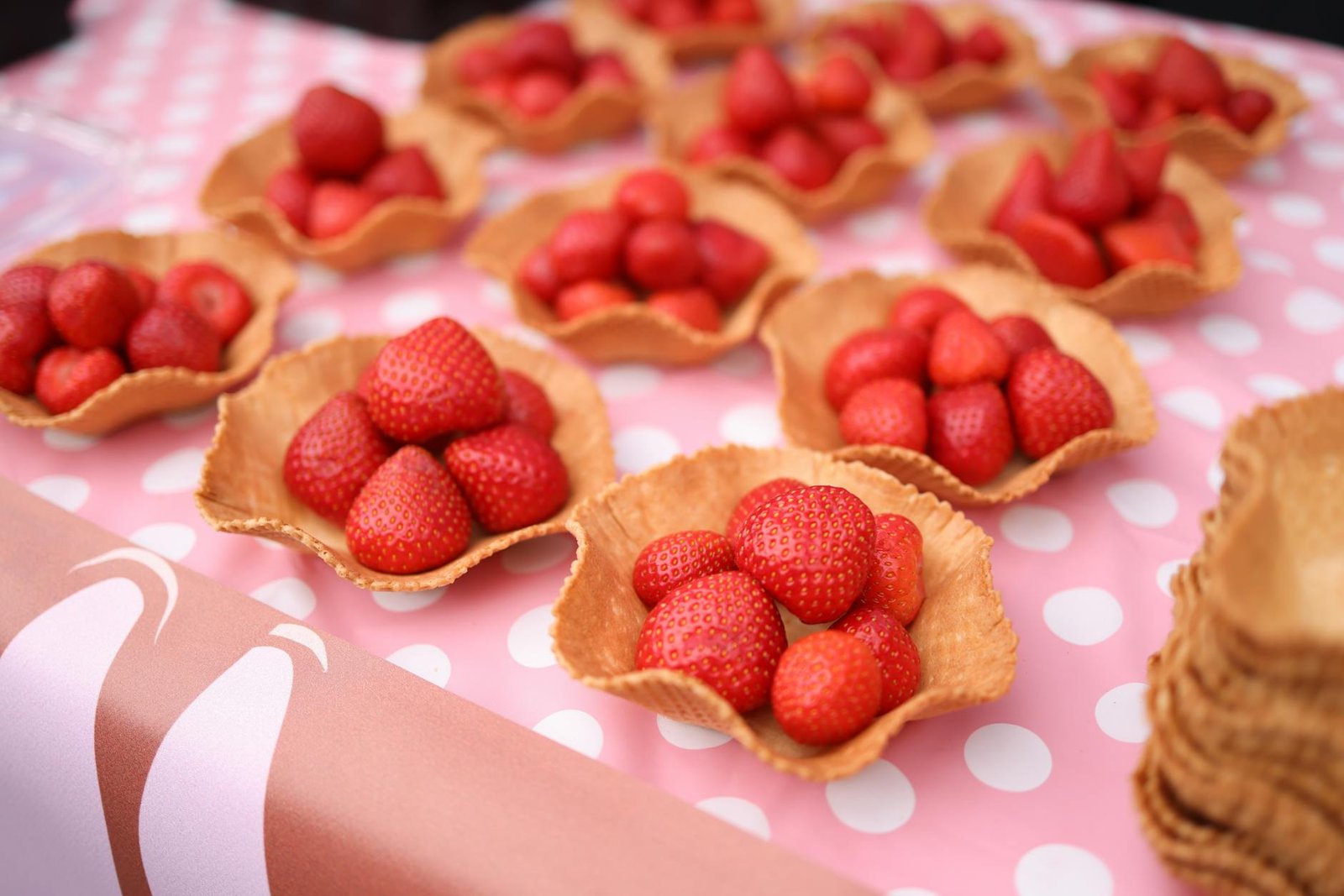
Nonsan strawberries from South Chungcheong are the gold standard — sweeter than any supermarket version. If you’re renting a car for a spring day trip, this is the one worth doing.
Most foreign visitors plan their Korea trip around cherry blossoms in April or the fall foliage in October. I get it — those are stunning. But as a Korean dad living just outside Seoul, I’ll tell you what the travel blogs don’t: June is when the real local festival culture comes alive, especially in rural areas.
The rainy season (jangma) usually kicks in late June, but the first two to three weeks of the month are a beautiful window — warm, green, and buzzing with seasonal fruit harvests. Strawberry varieties like seolhyang (설향) and kingsberry are at their absolute peak in the southern provinces, while Korean cherries (체리) grown in areas like Cheongdo and parts of South Chungcheong hit their short harvest window right around now.
The crowds are also dramatically smaller than spring festivals. On a Saturday morning, I could actually walk through stalls without getting shoulder-checked. My kid got to run around. That alone was worth the drive. June is genuinely off-the-beaten-path territory for most Korea tourists, and these seasonal fruit festivals reflect a side of Korea that feels deeply, authentically local.
What Actually Happens at a Korean Strawberry & Cherry Festival
Let me be upfront — these aren’t Glastonbury. There’s no main stage with K-pop acts (well, usually there’s one local band). The core of the experience is agricultural and communal, and that’s exactly what makes it special.
At the strawberry-focused festival I visited near Nonsan (논산), famous as one of Korea’s biggest strawberry-producing regions, you could pay around ₩15,000 per person to enter a strawberry farm and pick for 30 minutes. That price included a basket you kept. My son ate probably ₩30,000 worth of strawberries in that time, so we definitely came out ahead.
Beyond picking, there were vendors selling strawberry makgeolli (₩5,000 for a bottle), strawberry-filled bungeoppang (₩2,000 for two), strawberry soft-serve (₩3,500), and fresh strawberry boxes to take home — roughly ₩12,000 for 500g of premium seolhyang. The cherry festival nearby had a similar structure, with you-pick rows of cherry trees, fresh juice stalls, and one incredibly good cherry jam lady who had a line 20 people deep.
Rain made it muddy and chaotic and kind of magical. Locals handed us extra plastic bags for our shoes without us even asking.
Damyang Bamboo Festival 2026 — Is It Worth Combining the Trip?
If you’re already making the drive south, the Damyang Bamboo Festival (담양 대나무축제) is a genuinely smart add-on. Damyang is about 90 minutes south of Nonsan and sits in a completely different landscape — the famous Juknokwon bamboo grove is breathtaking even in drizzle, maybe especially in drizzle.
The 2026 edition of the Damyang festival ran across a full week in late May into early June, with the weekend programming being the most packed. Entry to Juknokwon itself is ₩3,000 for adults and free for kids under six (my son got in free). Inside the festival grounds around the bamboo forest, there were bamboo crafts workshops where you could make a small bamboo cup for about ₩8,000 — my kid is still using his.
Food stalls in Damyang leaned heavily into gukbap culture and the famous Damyang tteokgalbi (grilled short rib patties). A full tteokgalbi set meal at a restaurant on the main Damyang food street ran us about ₩15,000 per person — seriously good value for the quality. The bamboo festival adds real cultural texture beyond just fruit-picking, so if you have two days, I’d split them: one in Nonsan/cherry country, one in Damyang.
💙 A Tip From a Local:
Book your pension or guesthouse in Damyang at least 3 weeks ahead if you’re going on a festival weekend. I made the mistake of searching the week before and everything under ₩80,000/night was gone. Try Naver Map (네이버 지도) rather than international booking sites — local pensions list there first and are often ₩20,000~₩30,000 cheaper per night than on foreign platforms.
Practical Tips: Getting There, Costs & What to Eat
Transportation is honestly the biggest hurdle for foreign visitors. Nonsan is reachable by KTX to Iksan and then a regional bus (total from Seoul: around 2 hours, roughly ₩35,000 one way), but a rental car genuinely transforms the experience. We drove from our place in Gyeonggi-do — about 2 hours 20 minutes via the Honam Expressway — and being able to hop between the strawberry farm, the cherry festival, and Damyang without waiting for buses was worth every won of the gas money.
Here’s a rough cost breakdown for a family of two adults and one small child for a two-day weekend trip:
| Expense | Estimated Cost (KRW) | Notes |
|---|---|---|
| Strawberry picking (2 adults) | ₩30,000 | Child free under 5 |
| Cherry festival entry + picking | ₩20,000 | Varies by farm |
| Damyang Juknokwon entry | ₩6,000 | 2 adults |
| Food (2 days, street + restaurant) | ₩80,000~₩100,000 | Generous estimate |
| Pension/guesthouse (1 night) | ₩70,000~₩100,000 | Book early |
| Gas / toll (round trip from Seoul area) | ₩60,000~₩80,000 | Depends on departure point |
| Rough Total | ₩266,000~₩336,000 | Family of 3 |
⚠️ Watch Out:
Strawberry and cherry seasons in Korea are short and weather-dependent. Heavy rain or an early heat wave can wipe out the harvest window. Before driving three hours, call the festival organizer or check the official Nonsan city website (nonsan.go.kr) or Damyang county site to confirm the festival is still running. I’ve heard of people showing up to festivals that quietly ended two days early due to bad weather. A 5-minute phone call (use Naver Translate if needed) saves a lot of disappointment.
Is This Trip Right for Foreign Visitors? My Honest Take
Here’s the thing about seasonal fruit festivals in the Korean countryside — almost nothing is in English. Signs, menus, instructions at the farm gates. None of it. That could be stressful, or it could be the whole point, depending on your mindset. Every Korean person I encountered was genuinely delighted that foreigners had shown up. One farmer practiced his three-word English vocabulary on my son for a full five minutes. It was one of those travel moments you can’t engineer.
If you’re a foreigner visiting Korea who wants to go beyond Gyeongbok Palace and Myeongdong, and you’re comfortable using Naver Map (download offline maps!) and pointing at things you want to buy, these festivals are extraordinarily rewarding. The food is cheaper than Seoul, the people are friendlier than any tourist district I’ve visited, and you get a look at Korean rural life that most visitors never see.
Bring rain gear — seriously, a small umbrella won’t cut it in June. Pack layers. And lower your expectations of Instagram-perfect scenery. What you’ll get instead is the smell of actual ripe strawberries, a muddy kid, and a car full of jam and fresh fruit on the way home. I’d take that over a palace souvenir any day.
Quick Answers
When is the best time to visit seasonal fruit festivals in Korea?
For strawberry festivals, late April through early June is the prime window, with Nonsan and Gyeongnam provinces being the main destinations. Cherry festivals in Korea typically run for a very short 2–3 week window in late May to mid-June, particularly in Cheongdo (North Gyeongsang) and parts of South Chungcheong. The Damyang Bamboo Festival usually runs in late May to early June. Always check official county websites before traveling, as exact dates shift year to year based on harvest conditions.
Can foreigners enjoy Korean countryside festivals without speaking Korean?
Yes, absolutely — with some preparation. Download Naver Map with offline maps for the region, use Papago or Naver Translate for real-time sign translation, and have your destination address saved in Korean characters. Most transactions at festival stalls are cash-based and you can simply point at items or hold up fingers for quantities. Locals at rural festivals are typically very welcoming toward foreign visitors and will go out of their way to help, even without a shared language. A few basic Korean phrases like “얼마예요?” (how much is it?) go a long way.
Is the Damyang Bamboo Festival worth visiting in 2026?
Yes, the Damyang Bamboo Festival (담양 대나무축제) is genuinely worth the visit in 2026, especially if you’re combining it with a Nonsan strawberry or South Chungcheong cherry festival trip. The Juknokwon bamboo grove alone is stunning and entry is only ₩3,000 for adults. The festival adds bamboo craft workshops, local food markets featuring Damyang’s famous tteokgalbi, and cultural performances. It’s best experienced on a weekday if possible to avoid weekend crowds, and accommodations should be booked at least 2–3 weeks in advance during the festival period.
As a Korean dad living just outside Seoul, I take a lot of weekend trips — it’s kind of become my mission to find the ones that are actually worth loading up a car seat for. This rainy June fruit festival weekend genuinely surprised me. It wasn’t polished. It wasn’t designed for tourists. It was just Korea being Korea — generous, food-obsessed, and quietly proud of what the land produces. If you’re planning a Korea trip in June and wondering whether to venture past the big cities, I hope this post nudges you toward yes. The strawberries alone are worth it.
Have you been to any seasonal fruit festivals in Korea, or are you planning to go? Drop a comment below — I’d love to hear where you went, what you ate, and whether you remembered to bring rain boots. 👇
📌 You Might Also Like
“
Official festival info: Korea Tourism Organization.
