
Korean Glass Skin 2026: Best Routine & Products Worth Trying
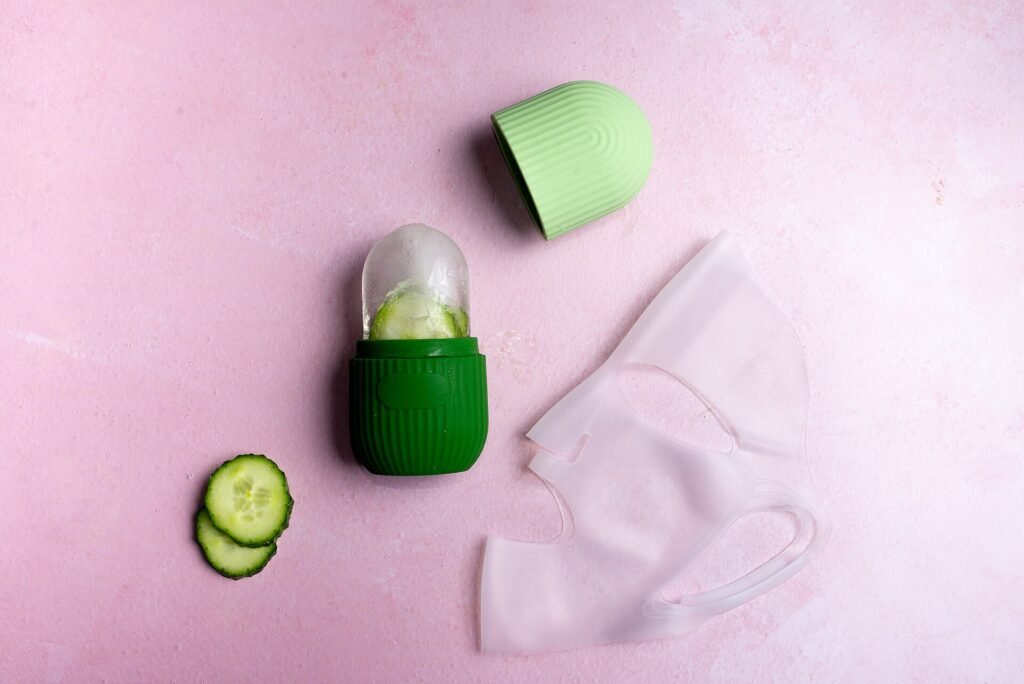
Photo: Cucumber slices placed beside a green facial mask and a skincare applicator on a light pink background by Shixart1985, CC BY 2.0, via Wikimedia Commons
My wife has been doing a multi-step skincare routine since before we got married. I used to count the bottles on the bathroom shelf as a joke. Then last winter I quietly started using half of them — mostly out of curiosity — and three coworkers asked me within a month what I’d changed. Here’s what I’ve learned from living with someone who takes glass skin seriously.
📋 In This Guide
I work in the chemical industry — specifically formulation and production — so when my daughter started asking me about achieving glass skin, I did not reach for a magazine. I looked at the ingredient labels. The korean glass skin routine has been trending internationally for a few years, but it is still widely misunderstood. Most posts make it sound like a 12-step luxury ritual that costs a fortune. The real korean glass skin routine practiced by actual Seoul residents is more disciplined than expensive, and far more accessible than the influencer version suggests. This is what it actually looks like in 2026.
What Is the Korean Glass Skin Routine? A Clear Definition
My wife’s glass skin routine takes 25 minutes every night — I’ve timed it. She’s been consistent for eight years. Products matter less than consistency. That’s the answer no skincare article says out loud.
Glass skin refers to a complexion that appears smooth, even-toned, and reflective — like a pane of clear glass. There are no visible pores, no dry patches, no uneven texture. The skin looks plump and almost translucent in good light. It is a skin condition, not a makeup finish.
The korean glass skin routine achieves this through consistent, layered hydration applied over a well-maintained skin barrier. This is the critical part most people miss: glass skin is the result of a healthy barrier, not surface treatments. If your skin barrier is compromised — from over-exfoliating, harsh cleansers, or UV damage — no serum will give you glass skin. The foundation has to be healthy skin first.
Korean skincare culture has prioritized barrier health for decades. This is why the K-beauty industry led the global move toward ceramide-rich formulas, low-pH cleansers, and gentle actives before Western brands caught up. The glass skin look that foreigners associate with K-dramas and K-pop idols is largely the outcome of this long-term approach — not filters, though those help too.
Step-by-Step Korean Glass Skin Routine for 2026
The version of the korean glass skin routine that most Seoulites actually follow has six core steps. You do not need all twelve steps from the old K-beauty marketing era.
Step 1 — Oil Cleanser: Used in the evening only. Dissolves sunscreen, makeup, and sebum without stripping. Banila Co Clean It Zero and Heimish All Clean Balm are reliable choices available in most Olive Young stores. Apply to dry skin, massage gently, add water to emulsify, rinse.
Step 2 — Water-Based Cleanser: Follow the oil cleanser with a low-pH gel or foam cleanser. pH matters here — cleansers above 6.0 disrupt your skin’s acid mantle. CosRX Low pH Good Morning Gel Cleanser is the consistent recommendation from Korean dermatologists I have spoken with. Use morning and evening.
Step 3 — Hydrating Toner (Skin): Not an exfoliating toner. A hydrating toner — called 스킨 (skin) in Korean — is a watery liquid applied with hands or a cotton pad to prep for absorption. Some people layer it three to seven times (the 7-skin method) for extra hydration. Missha Time Revolution Essence or Klairs Supple Preparation Unscented Toner work well here.
Step 4 — Essence or Serum: This is where targeted actives go. For glass skin specifically, you want hyaluronic acid, niacinamide, or centella asiatica extract — not retinol or vitamin C at this stage (those are treatments, not glass skin builders). Cosrx Advanced Snail 96 Mucin Power Essence remains one of the most used products in Korean households. I have a bottle in my own cabinet.
Step 5 — Moisturizer: Seal in the hydration. Ceramide-based moisturizers are ideal for barrier support. Beauty of Joseon Dynasty Cream and Etude House Moistfull Collagen Cream are two products that have been consistent bestsellers on Korean platforms for years without burning through anyone’s budget.
Step 6 — SPF (Morning Only): Glass skin without sun protection is temporary. UV exposure causes the pigmentation, texture, and loss of elasticity that glass skin is designed to prevent. Korean sunscreens are genuinely superior in texture — lightweight, non-greasy, wearable under makeup. If you have not found a Korean SPF product you like yet, read my Korean Sunscreen 2026 guide for current recommendations across skin types.
Best Korean Glass Skin Products Worth Buying in 2026
These are the products consistently recommended by Korean dermatologists and beauty editors, not affiliate-driven influencer picks:
- Anua Heartleaf 77% Soothing Toner — Centella-rich, minimal ingredients, fragrance-free. The go-to for sensitive and combination skin in 2026. Sold at every Olive Young location.
- Beauty of Joseon Glow Serum (Propolis + Niacinamide) — Brightening without irritation. Good for glass skin because it improves even tone rather than introducing active-heavy stress on the barrier.
- CosRX Hyaluronic Acid Intensive Care Serum — Lightweight, effective, unpretentious. Layers well under everything else.
- Laneige Cream Skin Toner and Moisturizer — A combined toner-moisturizer hybrid. Popular because it simplifies the routine without sacrificing hydration. Department store brand, moderate price point.
- SOME BY MI AHA BHA PHA 30 Days Miracle Toner — Only relevant if your glass skin routine includes a weekly chemical exfoliation step. Use maximum twice a week, never daily.
If you are visiting Seoul and want to shop in person, Myeongdong is the obvious destination — but it is tourist-priced. Locals shop at Olive Young on Hongdae main street or at department store cosmetics floors in Gangnam. All are easy to reach if you have your transit sorted — a T-money card covers all subway and bus routes between beauty districts.
Glass Skin Mistakes That Undermine Your Results
These are the errors I see most often when foreigners describe their struggling routines:
- Over-exfoliating. Physical scrubs and daily AHA/BHA use destroy the barrier. Glass skin requires a healthy barrier. These two things conflict. Exfoliate once or twice a week maximum.
- Skipping SPF. Sun damage creates the uneven pigmentation and texture that glass skin is supposed to prevent. No routine compensates for skipping SPF daily.
- Using too many actives at once. Retinol, vitamin C, niacinamide, and AHAs do not all work together. Mixing too many actives irritates the barrier. Korean dermatologists generally recommend one or two actives maximum per routine.
- Expecting fast results. The skin cycle is approximately 28 days for adults. Visible improvement in texture and tone takes a minimum of four to six weeks of consistent routine — longer for significant barrier repair.
- Choosing scented products. Fragrance is one of the most common skin sensitizers. Korean glass skin formulas trend toward fragrance-free for a reason.
Understanding what Koreans actually prioritize in skincare connects to deeper cultural attitudes about aging and appearance. If you are curious about how Korean culture shapes daily habits and values, the Korean Age System Guide 2026 gives useful context for why Koreans approach skin maintenance with such consistency from a young age.
How Long Does It Actually Take to Achieve Korean Glass Skin?
Realistically, four to twelve weeks for noticeable improvement in people who are starting from a compromised or neglected skin barrier. Here is a rough timeline based on what Korean dermatologists describe:
- Week 1-2: Skin may purge slightly as it adjusts to a new routine. Hydration levels improve. Texture stays roughly the same.
- Week 3-4: Plumpness becomes more visible. Fine lines from dehydration soften. The skin starts to look more even in natural light.
- Week 6-8: Tone begins to improve with consistent SPF use and niacinamide. Pore appearance reduces slightly as hydration levels stabilize.
- Week 10-12: For most people, this is when the reflective quality associated with glass skin becomes visible. Not for everyone — genetics, age, and environmental factors all play a role.
For broader information about Korean wellness and beauty culture across different regions of the country, the Korea Tourism Organization publishes English-language guides to beauty tourism destinations including Myeongdong, Garosu-gil, and medical aesthetic districts in Gangnam.
Things Readers Often Ask
What is the core of the korean glass skin routine?
The korean glass skin routine is built on consistent barrier support and layered hydration. The non-negotiable steps are a low-pH cleanser, a hydrating toner, a lightweight essence or serum with hyaluronic acid or niacinamide, a ceramide-based moisturizer, and daily SPF. Everything else is optional depending on your skin concerns.
Can all skin types achieve glass skin?
Yes, though the products and timeline differ. Oily skin types benefit from lighter water-gel formulas and may see results faster. Dry and sensitive skin types need richer moisturizers and more time for barrier repair. The approach for all skin types is the same: build a healthy barrier first, then layer hydration consistently.
How much does a Korean glass skin routine cost?
A functional korean glass skin routine can cost as little as 30,000 to 60,000 KRW per month if you buy from Olive Young or CJ Onstyle in Korea, or around $40 to $80 USD equivalent if purchasing internationally. You do not need luxury brands — CosRX, Anua, and Beauty of Joseon are all mid-range Korean brands that outperform many expensive Western alternatives in dermatologist rankings.
