
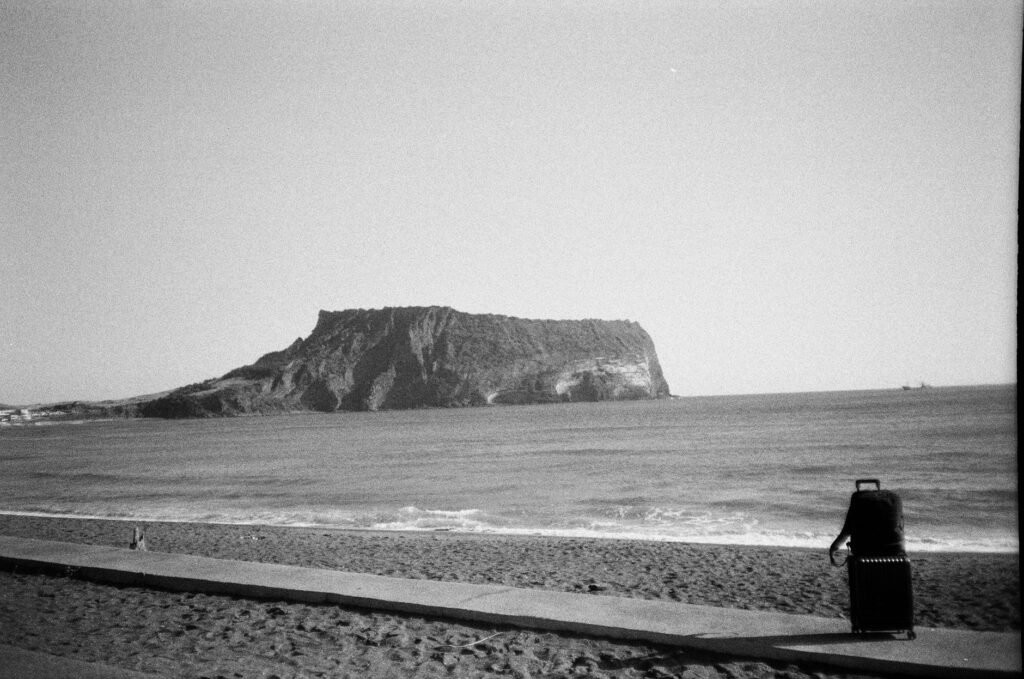
Jeju Island Summer 2026: Best Travel Guide for Beach Lovers
I’ve taken the family to Jeju three times. The first trip was a near-disaster — wrong timing, pension with no air conditioning, ocean too rough for the kids. The second was better. The third, last August, was finally the one I’d been trying to plan since they were small. If you’re going this summer, here’s what I’d tell you that no travel site bothered to mention.
📋 Quick Navigation
Why Jeju Island in Summer Is an Experience Unlike Anywhere Else in Korea
Book Jeju accommodation two months out for July or August. Our third trip nearly ended in an airport motel because everything decent was gone. The right pension near Jungmun runs ₩150,000–180,000 per night.
Jeju Island summer 2026 offers something genuinely rare in Korea — a place where the mountains meet the sea, where black volcanic rock contrasts against white sand beaches and turquoise water, and where the pace of life slows down in a way that Seoul simply cannot match. The island sits roughly 85 kilometers off the southern coast of the Korean peninsula and has its own distinct dialect, food culture, and geological identity. UNESCO has recognized it as a World Natural Heritage Site, a Global Geopark, and a Biosphere Reserve — a triple designation held by only a handful of places on earth.
Summer here runs from June through August, with July and August being peak season when the beaches are packed and every decent pension is booked weeks in advance. June is honestly my favorite time to visit — the weather is warm but not yet relentlessly humid, the crowds are lighter than July, and the seasonal produce (including Jeju’s famous hallabong citrus preparations and early-summer seafood) is at its absolute freshest.
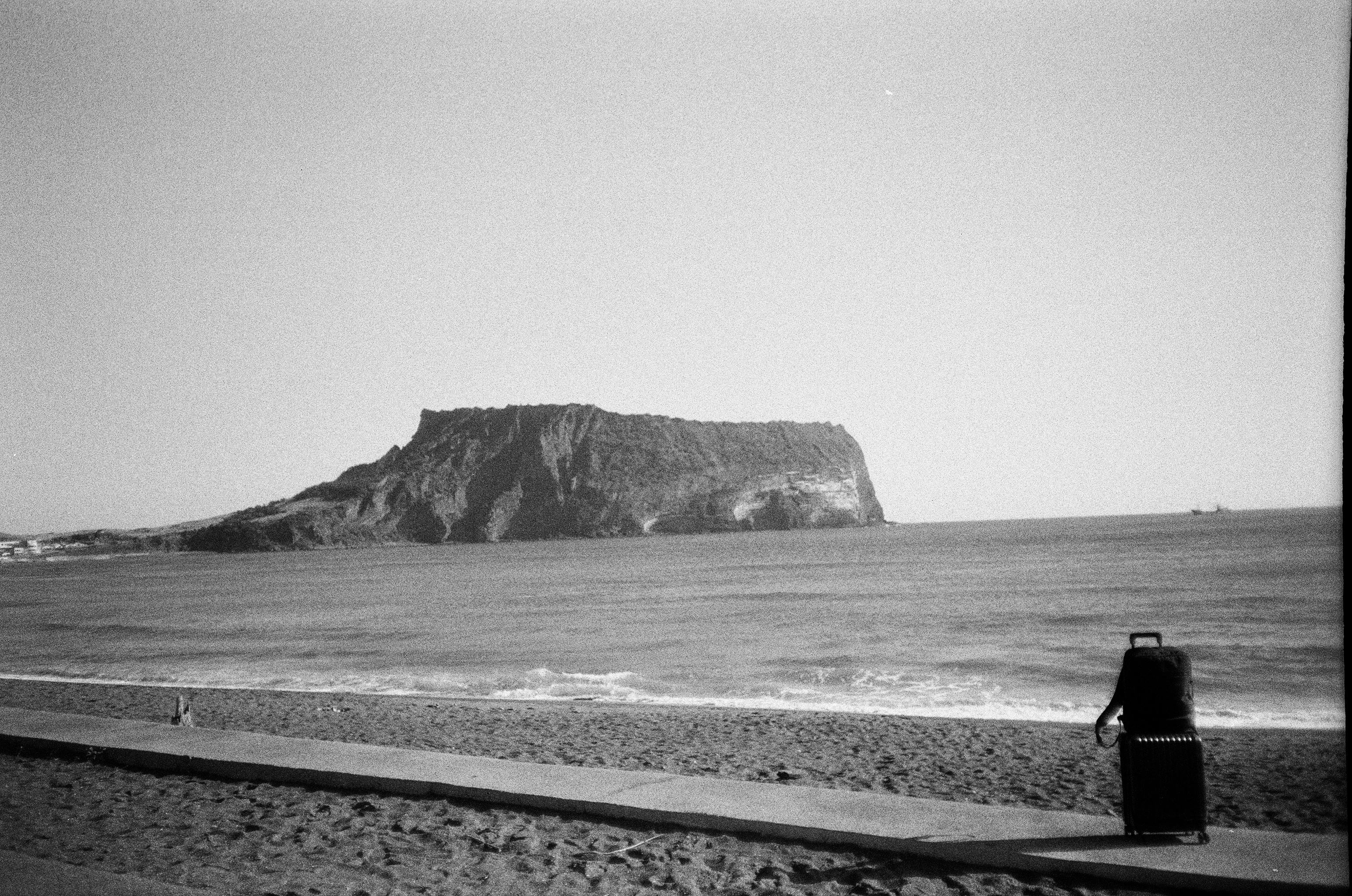
Best Beaches for Jeju Island Summer 2026
Jeju has dozens of beaches, each with its own character. Here are the ones that genuinely deliver:
Hamdeok Beach (함덕해수욕장)
This is the beach Koreans consistently vote as the most beautiful on Jeju — and the photographs do not exaggerate. The water is extraordinarily clear, a shade of blue-green you expect to see in the Maldives rather than a Korean island. It is located on the north coast, about 20 minutes from Jeju City, and has a full range of facilities including cafes, restaurants, and equipment rental for water sports. Arrive early in summer to claim a good spot.
Hyeopjae Beach (협재해수욕장)
On the west coast, facing Biyangdo Island in the distance. The sunset from Hyeopjae on a clear evening is one of those scenes that makes you stop mid-sentence and just stare. The water is warm and shallow, making it safe and popular for families. My kids swam here for three hours straight last summer and refused to leave even as the sun went down.
Jungmun Beach (중문해수욕장)
The famous beach near the Jungmun Resort complex in the south. Known for its stronger waves that attract surfers, and for being surrounded by dramatic cliff formations. The area also has Teddy Bear Museum, Yakcheonsa Temple, and the Cheonjeyeon Waterfall within easy reach — making it a full-day destination rather than just a swim stop.
Gwakji Beach (곽지해수욕장)
A local secret on the northwest coast that Korean travelers know but international tourists often skip entirely. Smaller and quieter than Hamdeok or Hyeopjae, with very clean water and a freshwater shower facility that is worth knowing about after a day in the sea. The sunset from here rivals anywhere on the island.
Hidden Spots Koreans Love but Most Tourists Miss
Beyond the beaches, Jeju Island summer 2026 rewards explorers who go beyond the standard tourist circuit:
- Seopjikoji (섭지코지) — A dramatic coastal headland at the eastern tip of the island. The walking trail along the cliff edge is genuinely spectacular, with basalt rock formations dropping into the sea. Go at golden hour for extraordinary photography.
- Bijarim Forest (비자림) — A dense forest of ancient Bija trees (Korean nutmeg) in the eastern part of the island. Walking through this forest in summer when the canopy provides full shade is one of the most peaceful experiences available anywhere in Korea. The oldest trees are over 800 years old.
- Jeju Olle Trail (제주올레길) — A network of 27 walking routes that circle the entire island. Even completing just one or two sections reveals coastal scenery, rural villages, and stone walls (doldam-gil) that most visitors driving tour buses never see. Route 7 along the south coast and Route 10 along the east are particularly recommended in summer.
For tips on getting around Korea affordably on public transit — useful even before you arrive at Jeju — see my guide on how to use the T-money card in Korea 2026. Once on Jeju itself, renting a car is strongly recommended as the bus network does not reach many of the best spots efficiently.
Must-Eat Jeju Summer Foods in 2026
Jeju has a distinct food culture that differs from the mainland, and summer brings specific seasonal dishes that are unmissable:
- Galchi Jorim (갈치조림) — Braised hairtail fish in a spicy sauce. Jeju’s hairtail is larger and more tender than mainland varieties. Every Korean traveler to Jeju considers eating this a mandatory activity.
- Heukdwaeji (흑돼지) — Jeju black pork. The island’s native black pigs produce meat with a richness and depth of flavor that is markedly different from regular Korean pork. Grilled over charcoal in Jeju City’s Heukdwaeji Street is the definitive experience.
- Mango Bingsu — With tropical influences from the island’s warmer climate, Jeju cafes do mango bingsu particularly well. Look for versions using fresh Jeju-grown produce rather than imported frozen mango.
- Omegi Tteok (오메기떡) — A traditional Jeju rice cake made from millet, coated in sweet red bean powder. Sold at traditional markets and roadside stalls throughout the island. A culturally meaningful snack that mainlanders rarely encounter.
- Raw Seafood at Haenyeo Markets — Jeju’s haenyeo (female divers) still harvest abalone, sea urchin, sea cucumber, and turban shells daily. Eating freshly caught seafood directly at a haenyeo market along the coast is one of the most authentic Korean experiences available anywhere.
For context on how Korean food culture works more broadly — which helps you appreciate Jeju’s local specialties with more depth — check out my post on how Koreans actually spend their weekends. And if this is your first time eating Korean food in general, my guide to ordering food at a Korean restaurant will help you navigate menus and dining customs confidently.
Practical Travel Tips for Jeju Island Summer 2026
A few critical logistics that will make or break your Jeju summer trip:
Getting There: Jeju International Airport (CJU) is connected to Seoul’s Gimpo Airport (GMP) by roughly 50-minute flights on Korean Air, Asiana, Jeju Air, and several other carriers. Book at least 3-4 weeks in advance for summer travel — last-minute summer fares to Jeju are notoriously expensive. Ferries from Mokpo or Wando also serve Jeju if you prefer the scenic approach.
Car Rental: I cannot emphasize this enough — rent a car. Jeju’s bus system covers the main tourist attractions but misses most of the island’s best places. Driving is on the right, roads are well-signposted in Korean and English, and traffic outside Jeju City is generally very manageable. International driving licenses are accepted.
Accommodation: Jungmun area for luxury resorts, Jeju City for convenience and restaurants, Aewol or Hanrim on the west coast for a quieter experience with beach access. For Jeju Island summer 2026 travel, book accommodation at least 6-8 weeks in advance for peak July and August dates.
UV Warning: Jeju sits further south than Seoul and summer UV levels are significantly higher. Apply SPF50+ sunscreen every two hours, especially at the beach. The island’s clear sky and ocean reflection amplify sun exposure considerably.
For comprehensive official travel planning resources, the Korea Tourism Organization maintains updated Jeju travel guides in English with current event listings, recommended itineraries, and accommodation directories.
Quick Answers
When is the best time to visit Jeju Island in summer 2026?
For Jeju Island summer 2026, June is the sweet spot — warm weather (23-27°C), lighter crowds than July and August, lower accommodation prices, and fresh seasonal produce. July and August offer the hottest beach weather but come with peak crowds, higher prices, and occasional typhoon risk. If your schedule is flexible, early to mid-June is the optimal window for the best overall experience.
Do I need a visa to visit Jeju Island?
Jeju Island operates a special visa-free policy for international visitors from most countries — you can enter without a Korean visa for up to 30 days if you are arriving directly from abroad (not via mainland Korea). However, this does not apply if you are already in South Korea on a visa. Citizens of some countries are excluded from the Jeju visa-free policy, so check the official Korean immigration website before traveling.
How many days do you need for a Jeju Island summer trip?
Most Korean travelers spend 3-4 days on Jeju for a proper summer visit — enough time to cover the major beaches, do a couple of hikes or Olle Trail sections, experience the local food scene, and not feel rushed. A 2-day trip is possible but leaves little room for spontaneity. If you want to hike Hallasan (Korea’s highest mountain, located in the center of the island) and explore the coastline properly, budget 4-5 days minimum.
