
Seongsu-dong Seoul 2026: Best Complete Neighborhood Guide
If you ask any young Korean where the coolest place in Seoul is right now, the answer almost always comes back the same: Seongsu-dong Seoul. I live about 40 minutes from here in Gyeonggi, but I find myself making the trip to this neighborhood at least once a month. It has changed almost unrecognizably in the last three years, and foreigners are starting to notice. This guide covers everything you need to know before your visit in 2026.
📋 On This Page
Why Seongsu-dong Seoul Is the City’s Hottest Neighborhood Right Now
Seongsu changes every few months. The cement factory building near the station is the most stable photo spot — for everything else, check Korean Instagram the week before you visit.
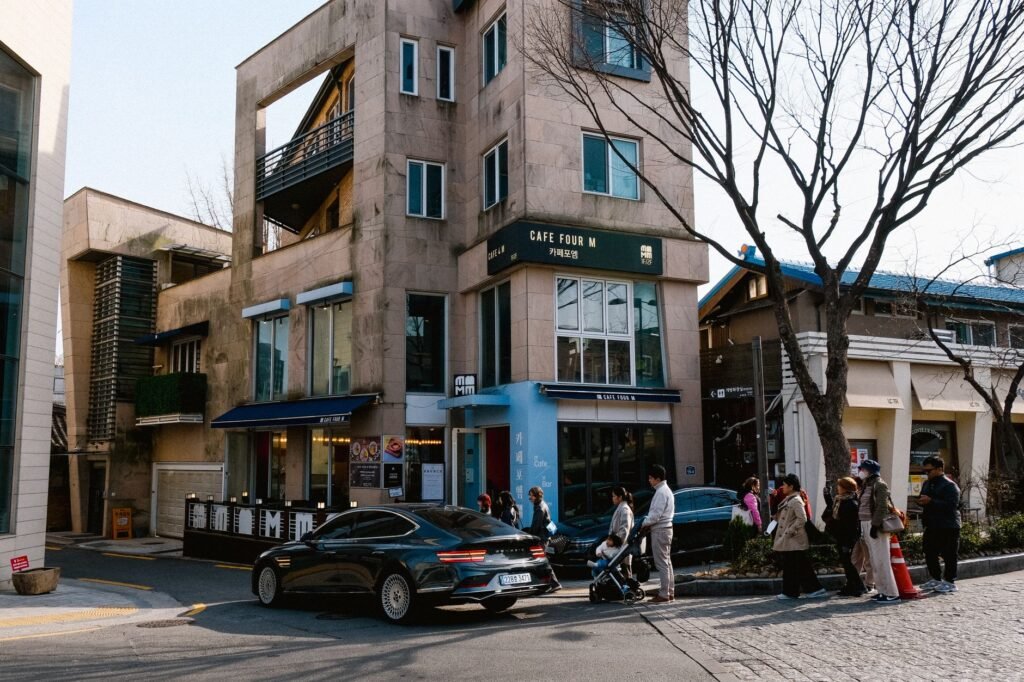
People call it the Brooklyn of Seoul, and honestly, that comparison makes sense. Seongsu-dong Seoul is an old industrial district on the east bank of the Han River that has been completely transformed by creative businesses, artisan coffee shops, and independent fashion brands. The red-brick factories and leather workshops that once defined the area are still there — but now they share walls with concept stores, rooftop bars, and photography studios.
What separates Seongsu-dong from other trendy Seoul neighborhoods is the raw texture. Hongdae feels like a college town. Gangnam feels polished. But Seongsu-dong feels lived in — authentically imperfect. The exposed concrete, the old factory pipes converted into design features, the fact that you can hear machinery from the shoe workshop next door to a specialty coffee bar. That tension is exactly why Koreans love it so much right now.
How to Get to Seongsu-dong
Getting here is straightforward. Take Seoul Metro Line 2 to Seongsu Station (성수역). Most of the cafes and shops are within 10 to 15 minutes’ walk from Exit 3. The neighborhood sits between the Han River to the south and the Wangsimni area to the north.
If you plan to combine Seongsu-dong with a walk along the Han River, you can easily do so — the river parks are a short walk or bike ride away. I always recommend loading your T-money card before you go; it makes the subway and any bus connections completely seamless.
Parking is very limited in Seongsu-dong. Even locals take public transit here. If you’re coming from Gangnam, take the Suin–Bundang Line from Apgujeong Rodeo to Seoul Forest Station — just one stop across the Han River.
Best Cafes in Seongsu-dong Seoul — What I Actually Order
The cafe scene is what put Seongsu-dong Seoul on the map for most foreigners, and it genuinely deserves the attention. Here are the spots I personally keep coming back to:
- Daelim Warehouse (대림창고) — The original Seongsu landmark. An actual rice warehouse from the 1970s converted into a multi-story cafe and event space. The ceilings are probably 10 meters high. Order the black sesame latte.
- Onion Seongsu — This is the one on everyone’s Instagram. Built inside a former military supply depot, with incredible industrial-minimalist design. There is always a line on weekends, but it moves fast. Get the plain croissant.
- Fritz Coffee Seongsu — If you’re serious about specialty coffee, Fritz has one of the best roasting programs in Seoul. The bread menu is also exceptional.
- Cafe Bora Seongsu — Famous for the purple matcha soft serve. Photogenic and genuinely delicious.
For more ideas on viral Korean drinks and what Koreans are actually ordering, check out this honest review of Seoul’s trending cafe drinks in 2026.
Vintage Shops, Pop-Up Stores, and the Creative Scene
Seongsu-dong has become the center of Seoul’s independent fashion scene. International brands like Nike, Loewe, Gentle Monster, and New Balance have all opened flagship concept stores here specifically because of the neighborhood’s reputation for creativity.
On the vintage side, the streets around Seongsu-dong Station Exit 3 are packed with small secondhand clothing stores offering mostly 1990s and early 2000s Korean and international brands. Prices are reasonable — much better than Dongdaemun for quality vintage pieces.
Pop-up culture is huge here. On any given weekend in 2026, there are likely two or three brand pop-up installations within a 10-minute walk of the station. Korean social media communities post updates about these constantly, so following a few Seoul lifestyle accounts before your trip will help you catch whatever’s happening that specific weekend.
The arts cluster around LCDC Seoul is worth seeing even if you’re not shopping — it’s a beautifully converted warehouse complex with galleries, designer brand concept stores, and a food hall. Entry is free.
What to Eat in Seongsu-dong — Beyond the Cafes
The Seongsu-dong food scene has grown significantly beyond coffee. Here’s what I recommend for a full day of eating:
- Euncheon Makgeolli — Traditional Korean rice wine bar with modern bar food. A great evening stop.
- Street tteokbokki and hotteok stalls near the market area — cheap, authentic, and the same kind you’d get anywhere in Seoul. For a full breakdown of tteokbokki culture, read my honest street food guide here.
- Seongsu brunch spots — The neighborhood has embraced weekend brunch culture. Many cafes serve avocado toast and egg dishes alongside Korean banchan-style sides, mixing international and local flavors.
For dinner, Seongsu-dong connects naturally to the Wangsimni neighborhood, which has more traditional Korean restaurants and a great night market feel.
Practical Tips for Your Seongsu-dong Visit in 2026
A few things I always tell foreign visitors before they go:
- Best time to visit: Weekday mornings or afternoons are much quieter. Weekend afternoons — especially Saturdays between 1 PM and 5 PM — are extremely crowded. If you want photos without crowds, go Tuesday or Wednesday morning.
- How long to allow: A half day is enough to cover the main cafes and shops. A full day if you want to be leisurely and catch any pop-up events.
- The neighborhood is walkable, but wear comfortable shoes. The streets are mostly flat but there’s a lot of ground to cover.
- Cash vs. card: Nearly everywhere in Seongsu-dong accepts card. Even street food vendors often have card terminals now. Some smaller vintage stalls are cash-only.
- Combine with Ikseon-dong: If you’re doing a Seoul neighborhood day, Ikseon-dong’s hidden alleys offer a completely different but equally rewarding experience. Take the metro from Seongsu to Jongno 3-ga — it’s about 20 minutes.
The Korea Tourism Organization regularly updates its Seongsu-dong recommendations and festival listings at Korea Tourism Organization — worth checking before your trip for any seasonal events.
Common Questions
Is Seongsu-dong Seoul worth visiting for tourists?
Absolutely. Seongsu-dong Seoul is one of the most authentically cool neighborhoods in the city right now. It offers a genuine mix of old industrial character, world-class cafes, independent fashion, and Korean street food — all within walking distance of the subway. It is significantly less touristy than Myeongdong or Insadong, which makes the experience feel more real.
How is Seongsu-dong different from Hongdae?
Hongdae is centered around Hongik University and has a younger, more energetic party-and-street-performance vibe. Seongsu-dong is more design-focused, slower-paced on weekdays, and attracts a slightly older creative crowd. Both are worth visiting but feel very different. Seongsu-dong has more concept stores and specialty coffee; Hongdae has more live music and cheap street food.
What is the best way to spend a day in Seongsu-dong?
Start with a morning coffee at Onion or Fritz, then walk south toward the Han River for a 30-minute riverside stroll. Come back and explore the vintage shops and LCDC Seoul complex in the early afternoon. End with a late lunch or early dinner at one of the brunch spots before heading to your next destination. The whole loop takes about 5 to 6 hours at a comfortable pace.
