
Korea’s East Coast: A Local’s Honest 2026 Travel Guide
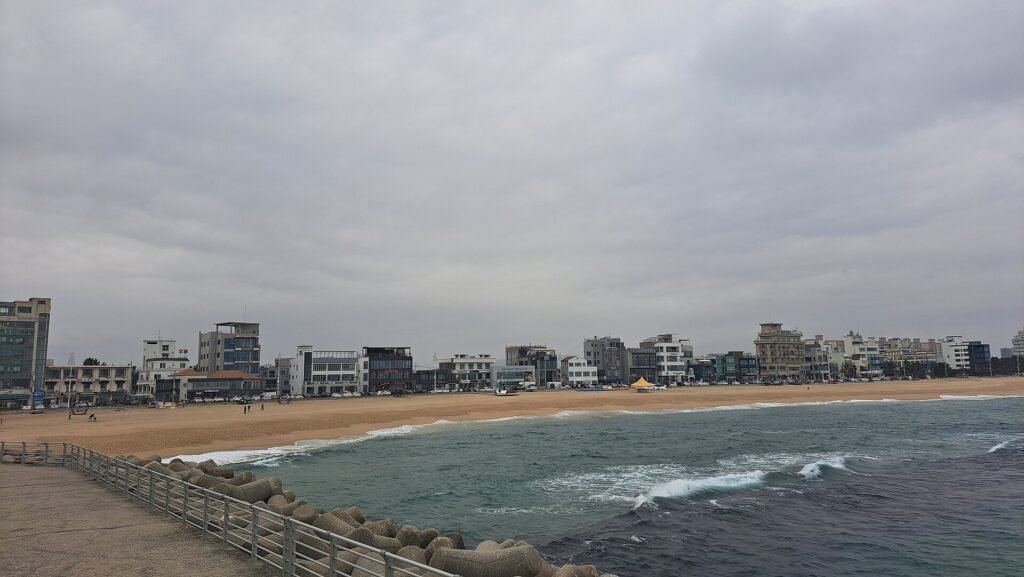
Photo: Gangneung, Korea by Bunsik, CC0, via Wikimedia Commons
Koreans take road trips to the east coast every summer. Foreigners almost never do. Here’s why that needs to change.
Ask any Korean where they’d go for a quick domestic escape and “east coast” (동해안, Donghae-an) comes up immediately — Sokcho, Gangneung, Samcheok, the beaches of Gangwon Province. It’s one of the most beloved travel regions in the country. And yet foreigners mostly skip it entirely, sticking to Seoul, Busan, and Jeju. That’s a real shame. As a Korean dad living just outside Seoul, I can tell you this region is genuinely different from anywhere else in Korea — raw coastline, mountains that drop straight into the sea, fresh seafood that puts Busan to shame, and almost no international tourist crowds. Here’s everything you need to know to plan a real east coast trip in 2026.
📋 Quick Navigation
Why Korea’s East Coast Flies Under the Radar
The drive from Gyeonggi-do to Gangneung takes about 2.5 hours if you leave before 7am. We always stop at the Daegwallyeong service area — kids get pine ice cream and I get fifteen minutes of quiet.
Here’s the simple geography: Korea’s west coast faces China across the Yellow Sea — mudflats, tidal plains, gentler water. The east coast faces the open East Sea (동해), which means cleaner water, steeper mountains dropping straight into the sea, and much better conditions for beach swimming. The scenery is more dramatic, the seafood is fresher, and the infrastructure for domestic Korean tourism is excellent. Gangwon Province is one of the most visited regions in Korea by locals — in peak summer, the expressways from Seoul get jammed solid with Korean families heading east.
So why do foreigners skip it? Partly because it’s not on the standard “K-drama location tour” circuit. Partly because there are fewer English-language resources. Mostly because nobody told them to go. Honestly, this is one of those things Koreans never explain to foreigners. I’m telling you now: the east coast is the best domestic trip you can take from Seoul that most international visitors completely overlook.
💡 Hellokoreaguide’s Tip: Early June is one of the best windows to visit. The weather is warm, the beaches are open, and you’re just ahead of peak summer crowds (which hit hard from late July through August). Accommodation prices are still at normal rates and the expressways are manageable.
Getting from Seoul to the East Coast
Three main options. KTX train to Gangneung (강릉) takes about 2 hours and costs roughly ₩25,000–₩28,000 one-way (KTX fares were cut in September 2026, so check the Korail+ app) — fast, stress-free, and drops you in the center of Gangneung city. Express bus from Dong Seoul Bus Terminal to Sokcho (속초) takes about 2.5–3 hours and costs ₩18,800 — slightly cheaper and deposits you directly in Sokcho’s city center. Renting a car and driving the Yeongdong Expressway takes 2.5–3 hours in normal traffic but gives you maximum flexibility for exploring the coastal road and Seoraksan access points. Avoid Friday evenings and Sunday afternoons when Seoul weekend traffic turns the expressways into parking lots.
For connections from outside Seoul, the Korea Express Bus Lines website has an English booking interface and connects most major Korean cities to both Gangneung and Sokcho. Prices may vary — always check the official site.
| Option | Duration | Cost | Best For | Rating |
|---|---|---|---|---|
| KTX to Gangneung | 2 hrs | ₩27,600 | No-stress, city base | ⭐⭐⭐⭐⭐ |
| Express Bus to Sokcho | 2.5–3 hrs | ₩18,800 | Budget, Seoraksan access | ⭐⭐⭐⭐ |
| Rental Car Drive | 2.5–3 hrs | ₩60,000–₩90,000/day | Coastal flexibility | ⭐⭐⭐⭐⭐ |
| City Tour Bus | Varies | ₩50,000–₩80,000 | Guided, no planning needed | ⭐⭐⭐ |
Sokcho: The Real Gateway to the East Coast
Sokcho (속초) is a small city of about 80,000 people wedged between Seoraksan National Park and the East Sea. It’s less polished than Busan and less crowded than Gangneung — which makes it genuinely better to visit. The city has a working fishing harbor, a traditional market (Jungang Market), and a beach strip that’s actually comfortable without being over-commercialized.
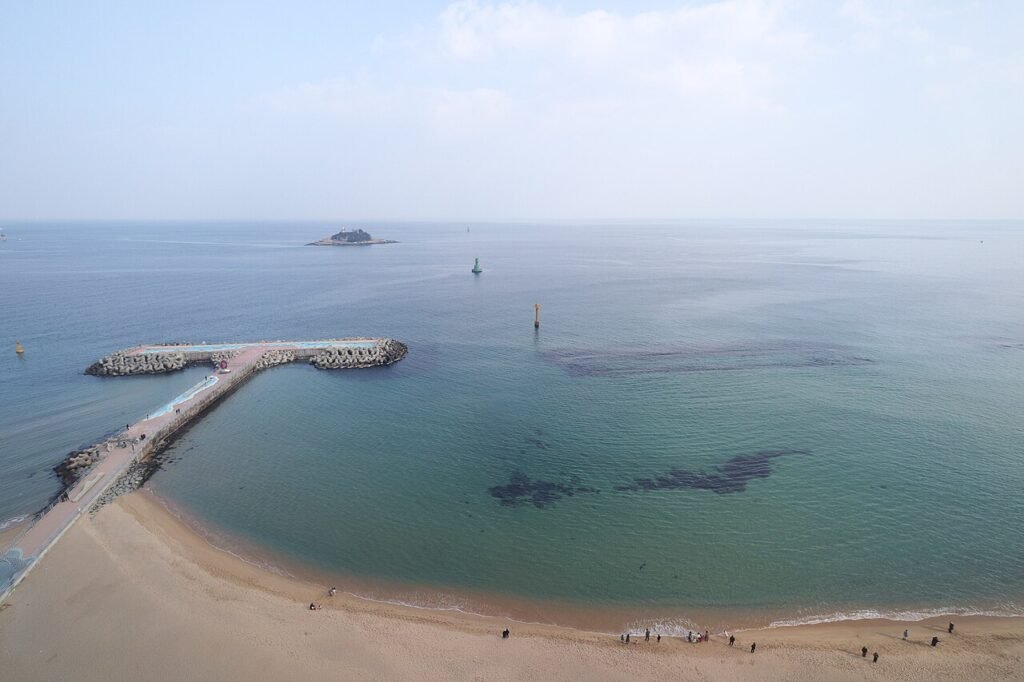
If you want a quieter night nearby, Naksansa Temple sits right on the coast a short ride south of Sokcho — see my Naksansa temple stay guide.
The city’s famous specialty is dakgangjeong (sweet crispy fried chicken) from Jungang Market — one box is plenty for two — and freshly grilled squid on a stick for about ₩5,000. These are things Koreans specifically make the trip here to eat. they walk past the market because it looks unfamiliar, then end up at a generic restaurant nearby and wonder why the trip felt flat. The market is the whole point. Go there first, eat immediately, then plan the rest of your day around how full you are.
Accommodation in Sokcho: budget guesthouses from ₩40,000–₩60,000/night, mid-range hotels from ₩80,000–₩150,000/night. Most have views of either the mountains or the sea if you book a few days ahead. During peak summer (July 20–August 20), prices roughly double — another reason early June is such a good window.
⚠️ Heads Up: Sokcho is about 65km from the North Korean border. Some first-time visitors are surprised by military presence along parts of the coastline — checkpoints, restricted beach sections. It’s completely normal and the tourist areas are very safe, but don’t be startled. The restricted zones are clearly marked and you won’t accidentally wander into them.
Seoraksan National Park: What to Actually Do There
Seoraksan (설악산) is one of Korea’s most spectacular national parks — granite peaks, crystal-clear mountain streams, Buddhist temples built into cliff faces, and trail systems ranging from easy forest walks to serious multi-day summit climbs. It’s recognized as a UNESCO Biosphere Reserve and regularly ranks as one of Korea’s most visited natural attractions. There’s no entrance fee: the temple admission charge was scrapped in May 2023, so you only pay for parking.
The cable car to Gwongeumseong Fortress summit costs ₩16,000 round trip and the ride takes about five minutes each way — the views over rocky peaks toward the sea are genuinely stunning and accessible to anyone regardless of fitness level. For hikers, the Ulsanbawi Rock trail (about 7.6km round trip from the Sogongwon car park, 4–5 hours) is the classic route. It’s challenging but manageable for anyone in reasonable shape. The summit views are unlike anything else in Korea.
After 13+ years living here, here’s my honest take: Seoraksan is one of those places that surprises you even when you think you know what to expect. I’ve been there in every season. Spring and autumn are the most beautiful, but winter hiking on snow-covered granite with almost no crowds is something special. June gives you the green season — lush forest, good visibility, comfortable temperatures for hiking.
What to Eat on Korea’s East Coast
The food alone justifies the trip. The East Sea produces some of Korea’s finest seafood and the coastal restaurants are significantly cheaper than Seoul for equivalent quality.
Ojingeo (오징어, squid) — The east coast squid is famous throughout Korea. Fresh grilled, as sundae (stuffed sausage), or as dried snack form. ₩5,000–₩15,000 depending on preparation. Non-negotiable dish.
Gejang (게장, marinated raw crab) — Often called “rice thief” because it’s so dangerously good with plain rice. This is a genuine regional specialty. About ₩15,000–₩25,000 for a crab set meal. If you only try one adventurous thing on this trip, make it this.
Daepo Hoe (횟집, fresh raw fish) — Sashimi-style raw fish at harbor restaurants. Expect to pay ₩40,000–₩70,000 for a proper spread for two people. This is not a tourist upcharge — this is normal local pricing for genuinely fresh fish caught that morning. Much better value than equivalent in Seoul or Busan, and the freshness difference is noticeable.
Most of the best eating happens at the market and at the small restaurants clustered around the fishing harbor. Skip anything with a laminated tourist menu. Eat where the fishermen eat. That’s the whole point of the east coast.
Frequently Asked Questions
How far is Korea’s east coast from Seoul?
Sokcho is about 200km from Seoul, taking 2.5–3 hours by express bus or car. Gangneung is slightly closer — about 2 hours by KTX train. Both are very doable as 2-night weekend trips from Seoul. Early June is a particularly good window: warm weather, beaches open, and you’re just ahead of the peak summer crowds that hit from late July onwards.
Is Seoraksan National Park worth visiting?
Absolutely — it’s one of Korea’s most spectacular national parks with dramatic granite peaks, Buddhist temples, and trail options for all fitness levels. The cable car makes the summit accessible without hardcore hiking for ₩16,000 round trip. Even a half-day visit is worthwhile if you’re staying in Sokcho. There’s no park entrance fee.
What is the best time to visit Korea’s east coast?
Late spring (May–June) and autumn (September–October) are ideal — pleasant weather, no peak-season crowds, and normal accommodation pricing. Peak summer (late July–August) is crowded and expensive with domestic Korean tourists. Winter is underrated for Seoraksan hiking. Avoid major Korean holidays (Chuseok, Lunar New Year) when expressways become parking lots.
What food is Sokcho famous for?
Sokcho’s Jungang Market is famous for dakgangjeong (crispy sweet fried chicken) and fresh grilled squid on a stick (about ₩5,000). The east coast is also renowned for hoe (fresh raw fish), gejang (marinated raw crab), and various squid preparations. Seafood here is fresher and priced better than equivalent quality in Seoul or Busan.
Before You Go
I’ve driven the east coast road with my family more times than I can count. Every time, I’m reminded of why Koreans love it so much — it doesn’t feel like the rest of the country. The mountains are bigger, the air is cleaner, the food is fresher, and the pace is slower. This is the version I’d tell a friend. Not the tourist brochure version. Busan gets all the attention. Jeju gets all the flights. The east coast gets the Koreans who actually know what they’re doing. Plan a 2–3 night trip to Sokcho and Seoraksan, eat everything at the market, and hike at least one trail in the national park. Then thank me when you get home.
