
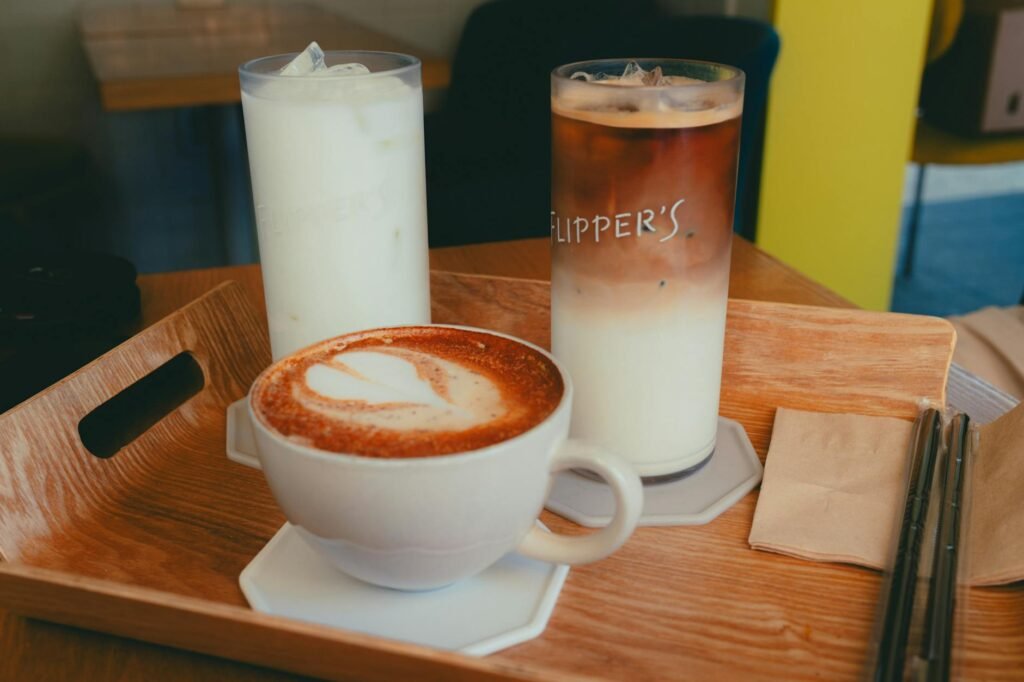
Viral Korean Café Drinks in Seoul — 2026 Honest Ranking
I spent seven days drinking my way through Seoul’s most viral café menus — so you don’t have to guess which ones are actually worth it.
As a Korean dad living just outside Seoul in Gyeonggi-do, I thought I knew the café scene pretty well. I grab a coffee most mornings near my office in Anyang, and my wife and I do weekend café-hopping when our kid is with the grandparents. But when a foreign colleague asked me, “Which Korean café drink should I try first?” — I honestly had no easy answer. So I made it my mission last week to hit as many trending spots as possible and rank everything honestly. No sponsored content, no free samples. Just my own wallet and my honest stomach.
📋 Quick Navigation
The Viral Drinks I Actually Tested
I made a list from Korean café Instagram accounts, Naver Blogs, and TikTok Korea before the week started. The shortlist came down to seven drinks that kept showing up everywhere in 2026: black sesame latte, yuzu ade, strawberry matcha latte, tanghulu-inspired fruit drinks, cloud foam cold brew, omija (magnolia berry) tea latte, and the still-going-strong brown sugar boba latte.
I visited nine cafés across Seoul — mostly in Seongsu-dong, Ikseon-dong, Mangwon, and Hongdae — plus one place in my home area of Anyang just for comparison. I tried to hit a mix of independent cafés and chain spots like Ediya, Compose Coffee, and Mega MGC. My budget for the week? About ₩80,000 total, which is very doable if you pick wisely. I brought my six-year-old on the Saturday run — she had strong opinions about the strawberry matcha. More on that later.
My Honest Rankings + Prices
Here’s how I’d rank everything after the full week. I judged on flavor, value for money, how “Instagrammable” it actually was, and whether I’d genuinely order it again.
| Drink | Average Price | My Score (/ 10) | Best For |
|---|---|---|---|
| Black Sesame Latte | ₩6,500–₩7,500 | 9 / 10 | Unique flavor, great photo |
| Cloud Foam Cold Brew | ₩6,000–₩8,000 | 8.5 / 10 | Coffee lovers, hot summer |
| Strawberry Matcha Latte | ₩6,500–₩7,000 | 8 / 10 | Sweet tooth, kids approved |
| Omija Tea Latte | ₩6,000–₩6,500 | 7.5 / 10 | Traditional flavor seekers |
| Yuzu Ade | ₩5,000–₩6,000 | 7 / 10 | Refreshing, beginner-friendly |
| Brown Sugar Boba Latte | ₩5,500–₩6,500 | 6.5 / 10 | Still tasty but feels dated |
| Tanghulu Fruit Drink | ₩7,000–₩9,000 | 5.5 / 10 | Pure aesthetic, average taste |
The black sesame latte was a genuine surprise for me. I expected a novelty drink but it had deep, nutty flavor that reminded me of the 흑임자죽 (black sesame porridge) my mom used to make. The cloud foam cold brew at a small café in Seongsu called Onion was also outstanding — that soft, salted cream layer on top of cold brew is something you really have to try in person.
☕ Hellokoreaguide’s Tip:
If you’re only picking one drink to try, go with the black sesame latte at an independent café rather than a chain. Chains do it cheaper but the flavor is watered down. Budget around ₩7,000 and look for cafés that make it with actual ground sesame, not powder — you can usually smell the difference when it arrives.
Where to Find These Drinks in Seoul
You don’t have to wander blindly. Here’s where I actually went and what I’d recommend for each drink category.
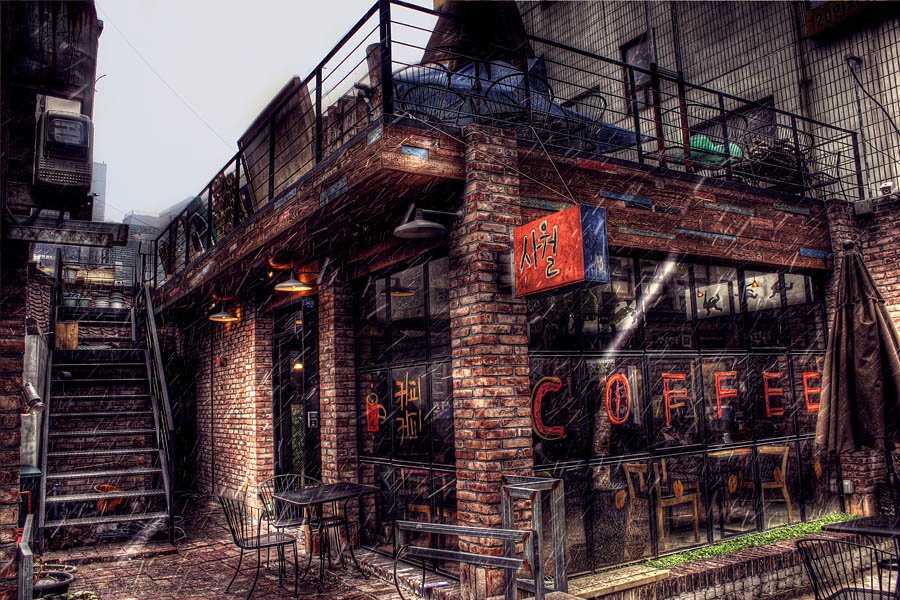
Seongsu-dong is still the king of independent specialty cafés in 2026. Onion Seongsu (성수점) has the best cloud foam cold brew I found all week — expect a short line on weekends. Café Bora in Samcheong-dong is famous for its purple sweet-potato soft serve and bingsu — an easy sweet stop between palace visits. For omija drinks, I’d point you toward the Ikseon-dong hanok village area — there are several small traditional tea cafés around 익선동 that do it properly, usually around ₩6,000.
For budget options, Mega MGC Coffee near any subway exit is surprisingly decent — their strawberry matcha latte is ₩4,500 and genuinely drinkable. If you’re near Hongdae, walk the back streets off exit 9 and you’ll find three or four Instagram-famous cafés within five minutes. Avoid the ones with massive signage right at the exit — those are tourist traps. Go one block deeper.
What Foreigners Usually Get Wrong at Korean Cafés
⚠️ Watch Out:
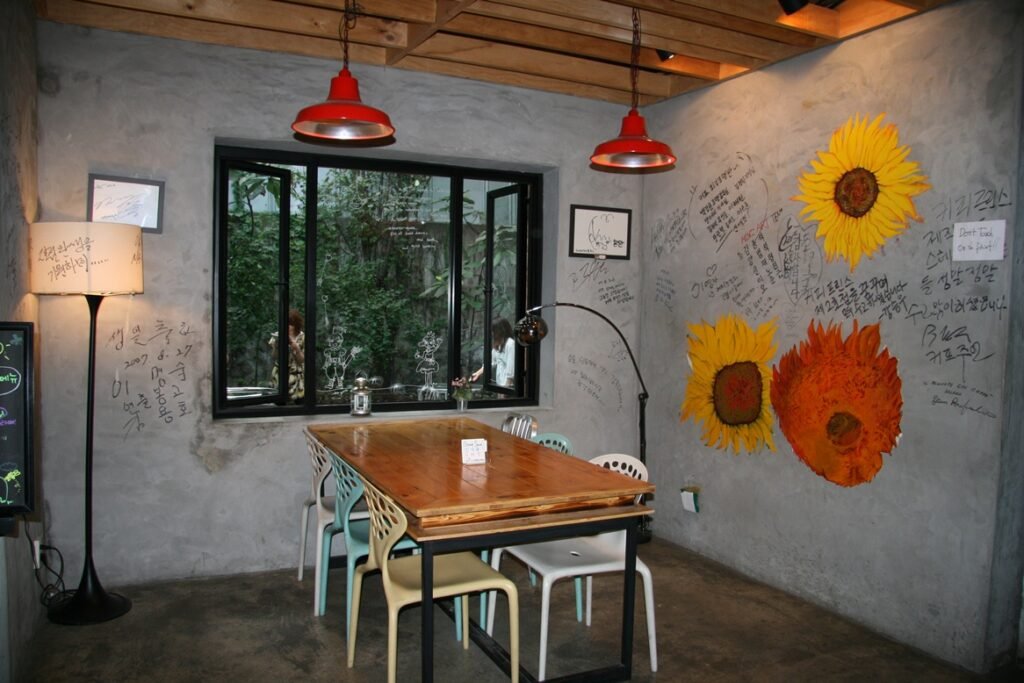
Many Korean cafés have a “no outside food” policy (외부 음식 반입 금지) and a minimum one-drink-per-person rule. This is almost always posted at the entrance. I watched a foreign couple get turned away at a Seongsu café last Saturday because they tried to bring in convenience store sandwiches. Check the signs before you sit down — it saves embarrassment.
A few other things I see foreign visitors get caught off-guard by: First, most Korean cafés are order-at-the-counter, not table service. You order, pay, take a number, and wait for your name or number to be called. Second, a few small independent cafés only take Korean cards or local payment apps, so keep a little cash as a backup. Third, the hot / iced toggle matters here more than anywhere. Koreans drink iced coffee even in January, so nobody will look at you strangely, but do know that some drinks (like the omija latte) taste genuinely better hot. Ask the staff — they’ll tell you.
Also: seating time limits. Popular cafés in Seongsu and Ikseon often have a 90-minute or 2-hour limit posted at the entrance, especially on weekends. This isn’t rude — it’s just how high-traffic independent cafés stay sustainable.
Is the Hype Real? My Final Verdict
As a Korean dad living just outside Seoul, I’ll be straight with you: about half these viral drinks deserve the hype, and the other half are mostly for the photo. The tanghulu-inspired drink I tried at a Hongdae café looked incredible on my phone camera — layered red and clear with candied fruit on the rim — but it tasted like cough syrup. I drank maybe a third of it. Don’t let aesthetics make the decision for you.
The drinks that genuinely impressed me — black sesame latte, cloud foam cold brew, and omija tea latte — all had real Korean flavor identities behind them. These aren’t just Western coffee drinks with food coloring. They’re rooted in actual Korean ingredients and that’s why they stand out. If you’re visiting Seoul and want to understand Korean café culture, those three are your starting point.
One more thing: café culture here is social infrastructure. Koreans use cafés for study dates, business meetings, and family time. When you sit down with a ₩7,000 drink and spend two hours in a beautiful space, you’re not being overcharged — you’re renting the experience. Once you understand that, every drink tastes better.
Frequently Asked Questions
What is the most popular café drink in Korea right now in 2026?
As of mid-2026, the black sesame latte and cloud foam cold brew are the top trending drinks at specialty cafés in Seoul. Black sesame lattes in particular have surged on Korean Instagram and TikTok for their striking gray color and deep nutty flavor. At chain cafés like Mega MGC and Compose Coffee, the strawberry matcha latte remains the bestseller thanks to its lower price point (around ₩4,500–₩5,500) and wide appeal.
How much does a café drink cost in Seoul?
Prices vary significantly by café type. At budget chains like Mega MGC or Compose Coffee, drinks run ₩2,000–₩5,500. Mid-range independent cafés in neighborhoods like Mangwon or Mapo typically charge ₩5,500–₩7,000. Premium or highly Instagrammable specialty cafés in Seongsu-dong or Ikseon-dong can charge ₩7,000–₩12,000 for signature drinks. For most visitors, budgeting around ₩7,000–₩8,000 per drink at a nice independent café is realistic and worth it for the experience.
What should foreigners know before visiting a café in Seoul?
A few key things: Most cafés require you to order at the counter first — there’s no table service. Many trendy independent cafés have a minimum one-drink-per-person rule and may have seating time limits (typically 90 minutes to 2 hours on weekends). A few smaller cafés only accept Korean cards or local payment apps, so keep a little cash as a backup. Outside food is usually not allowed. Finally, don’t be surprised if all menu boards are in Korean — use the Naver Papago app or simply point and ask; Korean café staff are generally very patient with foreign visitors.
The Bottom Line
As a Korean dad living just outside Seoul who’s been through enough work stress to need great coffee, I can tell you: Seoul’s café scene in 2026 is genuinely exciting. The viral drinks aren’t all hype — at least not the good ones. Start with a black sesame latte at an independent café in Seongsu, grab a cloud foam cold brew on a hot afternoon, and let the omija latte surprise you with something you didn’t expect from a café menu.
Skip the tanghulu drink unless the photo is literally the point. Your taste buds will thank you.
Have you tried any of these drinks already? Drop your own ranking in the comments below — I’d love to know which one surprised you most. And if you’re planning a Seoul café trip, tell me your neighborhood and I’ll point you in the right direction.
