
7 Seongsu-dong Tips Only Seoul Locals Know in 2026
Everyone goes to Seongsu-dong for the cafés. Almost nobody knows what actually makes it worth visiting.
Seongsu-dong has exploded on social media as “Seoul’s Brooklyn” — and yeah, that nickname isn’t wrong. Old industrial warehouses turned into minimalist coffee shops, local designer boutiques, and street art that changes every few months. But here’s the thing: most visitors do the Instagram walk, grab an overpriced latte, and leave thinking they’ve seen it. As a Korean dad living just outside Seoul, I can tell you — they’ve missed 90% of what makes Seongsu actually special. This guide covers what locals actually do there, where we actually eat, and how to time your visit so you’re not fighting tourists for a photo spot. Real prices, real opinions, no brochure fluff.
📋 Quick Navigation
Why Seongsu-dong Is More Than a Café District
Parking in Seongsu on a Saturday is genuinely terrible. Take line 2 to Seongsu station, exit 3, ten-minute walk. Skip the first Sunday of the month — every pop-up hits maximum crowd that day.
The short version: Seongsu-dong used to be a leather goods manufacturing hub. Shoemakers, cobblers, small factories — this was a working-class neighborhood for decades. When rents got too high in Hongdae and Itaewon, creative types started moving in around 2015–2018. They kept the industrial bones — exposed brick, high ceilings, giant factory windows — and layered in coffee culture, art, and local fashion. That collision is what makes it feel different from every other trendy Seoul neighborhood.
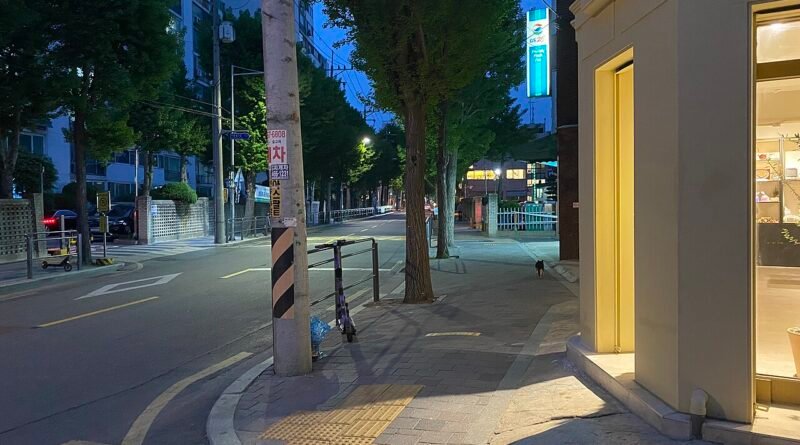
The thing foreigners miss: it’s still a living neighborhood. Walk two blocks off the main strip and you’ll find the original shoe workshops still operating. Old ladies selling banchan (side dishes) from folding tables. A pojangmacha (street stall) that’s been in the same spot for 30 years. Seongsu isn’t a theme park — it’s a neighborhood in transition, and that tension is the whole point. Honestly, this is one of those things Koreans never explain to foreigners. The contrast between old and new isn’t just aesthetic — it’s the entire story of modern Seoul compressed into about 15 city blocks.
💡 Hellokoreaguide’s Tip: Walk down Seongsu-ro 7-gil (성수로7길) instead of sticking to the main road. That’s where the original leather workshops still operate alongside the newest concept stores. The contrast is genuinely fascinating and completely free to explore.
Getting to Seongsu-dong Without Getting Lost
Take Seoul Subway Line 2 to Seongsu Station (성수역). Exit 3 is your main entry point into the café district. The whole walkable area is roughly 1.5km × 1km, so it’s very doable on foot. You don’t need a taxi or rental scooter.
From Hongdae: about 30 minutes by subway (Line 2, no transfer). From Gangnam: 15–20 minutes (Line 2 direct). From Itaewon: 30–35 minutes with one transfer at Oksu Station. T-money card is all you need — single ride costs about ₩1,450. Buy and top up at any subway station convenience store. If you’re coming from outside Seoul, the intercity bus network connects to Seoul Station and Gangnam Express Bus Terminal, both of which feed onto Line 2.
Parking is a nightmare on weekends. I say this as someone who’s made the mistake of driving there. If you’re day-tripping from Gyeonggi-do like me, just park near a Line 2 station and take the train in. Saves 45 minutes of your day easily.
| From | Travel Time | Cost | Best Option |
|---|---|---|---|
| Hongdae | ~30 min | ₩1,450 | ⭐⭐⭐⭐⭐ Line 2 direct |
| Gangnam | ~18 min | ₩1,450 | ⭐⭐⭐⭐⭐ Line 2 direct |
| Itaewon | ~35 min | ₩1,550 | ⭐⭐⭐⭐ Transfer at Oksu |
| Myeongdong | ~25 min | ₩1,450 | ⭐⭐⭐⭐ Line 2 via City Hall |
| Incheon Airport | ~70 min | ₩4,150 | ⭐⭐⭐ AREX + Line 2 |
The Cafés Locals Actually Use (Not Just the Instagram Ones)
Here’s the honest breakdown. There are two types of cafés in Seongsu: the ones that exist for content creation, and the ones that exist because people actually like coffee. Most tourist guides only list the first type.
The content cafés have long queues, ₩9,000–₩15,000 specialty drinks, and are designed specifically for photos. They’re not bad — I’ve been to a few with my kid — but you spend more time in line than in the café. The local spots are quieter, cheaper (₩4,500–₩6,500 for a well-made Americano), and actually comfortable to sit and talk. After 13+ years living here, here’s my honest take: the best café experience in Seongsu isn’t at the famous Instagram spot. It’s at a second-floor workshop café where three people work in silence and the espresso is genuinely exceptional.
Look for cafés with exposed brick and minimal signage — the ones that don’t need to advertise on social media because regulars come back. Small menus. Pourover equipment visible. These are the spots where locals actually bring their laptops on weekday afternoons.
⚠️ Heads Up: Weekend queues at the famous cafés (especially anything with a rooftop or “concept” theme) can run 40–90 minutes. If you arrive after 11am on a Saturday, manage your expectations or plan for serious waits. Weekday mornings are dramatically better — quieter, cheaper, and the baristas actually have time to talk to you.
Where to Actually Eat in Seongsu-dong
Most tourists eat at the “aesthetic” restaurants — the ones with good lighting and a curated menu. Totally fine. But if you want the neighborhood’s actual food culture, walk toward the residential blocks west of the main strip.
The go-to local lunch is a simple kalguksu (knife-cut noodle soup) or bibimbap set at one of the old-school Korean restaurants. Expect to pay ₩8,000–₩12,000 for a full meal with side dishes included. Seongsu has a few excellent tteokbokki (spicy rice cake) spots that have been there since before the neighborhood got famous — the price is ₩3,500–₩5,000 and the portions are generous. There’s also a small market area near the main road where you can grab kimbap rolls for ₩2,000–₩3,000 per roll. Lunch for two under ₩25,000 is entirely possible if you skip the trendy spots.
One thing I always recommend: check out any restaurant that has a handwritten menu board and no English translation. If the staff look slightly surprised to see a foreigner, you’re in the right place. Prices may vary — always check the official site.
Shopping in Seongsu: Local Brands vs. Tourist Traps
Seongsu-dong has genuinely good local fashion. The neighborhood has a strong footwear heritage — some of the best handmade leather shoes in Korea are still made and sold here — and the independent clothing boutiques have a distinct aesthetic that you won’t find in Myeongdong or COEX. Prices for quality leather goods: handmade wallets from ₩35,000–₩80,000, leather bags from ₩120,000–₩350,000. For clothing, local brand pieces run ₩40,000–₩150,000 depending on the item.
What to avoid: anything with a queue and English-language pricing signage is probably targeting tourists. The products aren’t bad, but you’re paying a 30–50% “Instagram premium.” The better boutiques are in side streets with no English signage. Bring a translation app (Google Translate camera mode works well in Korea) and don’t be shy about pointing at things and asking 얼마예요 (eol-ma-ye-yo) — “how much is it?” Koreans generally appreciate the effort.
Most tourists get this completely wrong — here’s what actually happens: they buy a branded tote at the famous spot, then walk straight past an artisan leather workshop selling a handmade bag for half the price. Stop at the craft workshops. They’re the whole point of this neighborhood.
Best Time to Visit Seongsu-dong in 2026
June is actually a great window. The weather is warm and occasionally rainy (monsoon season starts mid-June), but the neighborhood is walkable and there’s plenty of covered space. Bring a compact umbrella just in case. Weekday visits are significantly better — less crowded, cafés are more relaxed, easier to wander. If you can only do a weekend, arrive before 10am and start with the quieter southern part of the district before the crowds build.
Spring (late March–May) is the most popular season — pleasant weather and many pop-up stores open for the season. Fall (September–November) is my personal favorite: cool air, fewer tourists than spring, and the neighborhood has a calmer energy. Winter is underrated — the industrial-style interiors feel very cozy when it’s cold outside, and weekend crowds drop noticeably.
Budget about 3–4 hours for a proper Seongsu visit. You can stretch it to a full day if you want to eat multiple meals and do serious shopping. The Korea Tourism Organization has up-to-date neighborhood guides and event calendars if you want to time a specific pop-up.
What to Actually Skip in Seongsu-dong
Honest answer: skip the “experience” pop-ups that charge ₩15,000–₩25,000 entry for a themed photo zone. These rotate in and out quickly, and the photos look identical to what everyone else already posted last month. Save your money for actual goods or food.
Also: the convenience stores along the main tourist strip charge slightly inflated prices compared to the same chains elsewhere. Walk one block off the main road and use a regular CU or GS25 for drinks and snacks.
And don’t feel obligated to spend money everywhere you walk. One of the genuine pleasures of Seongsu is just wandering — looking at workshop facades, watching the mix of old and new, sitting on a step with a decent coffee. It’s a neighborhood, not an amusement park. The best moments here don’t cost anything.
Frequently Asked Questions
Is Seongsu-dong worth visiting in 2026?
Yes — it’s genuinely one of the most interesting neighborhoods in Seoul right now. The mix of old industrial heritage and new creative businesses is unique in the city. Go on a weekday if you can, arrive before 10am on weekends, and walk the side streets rather than sticking to the main tourist corridor. Budget 3–4 hours minimum and you’ll leave satisfied.
How much money do I need for a day in Seongsu-dong?
A comfortable day — coffee, lunch, light shopping — runs ₩30,000–₩60,000 per person if you mix local restaurants with one trendy café. If you’re shopping seriously for leather goods or clothing, budget an additional ₩50,000–₩200,000. You can also do the neighborhood for under ₩20,000 if you stick to street food and window shopping.
What is Seongsu-dong famous for?
Seongsu-dong is famous for its “Seoul’s Brooklyn” vibe — converted industrial warehouses turned into trendy cafés and boutiques — but its roots are in Seoul’s leather goods and shoemaking industry. Both elements coexist today, making it one of the few neighborhoods in Seoul where you can see working craftspeople operating alongside cutting-edge coffee shops and independent fashion brands.
What subway stop for Seongsu-dong?
Take Seoul Metro Line 2 to Seongsu Station (성수역). Exit 3 puts you directly into the main café and shopping district. The station has direct service from Hongdae, Gangnam, Sindorim, and most major Seoul areas without a transfer, making it one of the most accessible neighborhoods in the city.
Final Thoughts from a Korean Local
Seongsu-dong is worth your time — but only if you treat it like a neighborhood, not a photo set. Walk slowly. Turn down the side streets. Talk to the shop owners. Eat where the workers eat. This is the version I’d tell a friend. Not the tourist brochure version. Go on a Tuesday morning and you’ll have one of the best days of your Seoul trip. Go on a Saturday afternoon expecting convenience and you’ll spend two hours in café queues wondering what the fuss is about. You’ve been warned — now go enjoy it properly. And if you find a great handmade leather shop on a side alley, consider that your real souvenir from Seoul.
