
MyK FESTA 2026: An Honest Look at Korea’s Hyped K-Culture Event
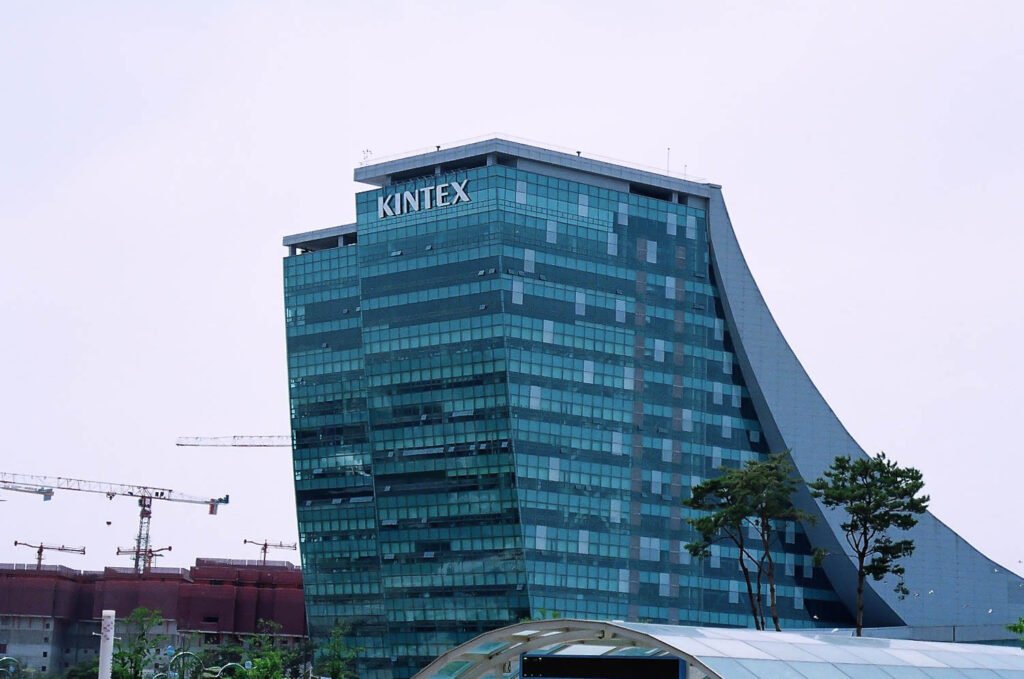
Photo: 킨텍스 by 뭘로할까, CC BY-SA 4.0, via Wikimedia Commons
Update, September 2026: MyK FESTA 2026 took place June 25–28 at KINTEX in Goyang, with the MyK LIVE concerts on June 26–27. Sources: Asia Business Daily, MyK FESTA.
MyK FESTA 2026 is getting plenty of buzz. Here is what Koreans actually think about MyK FESTA, and whether the hype is worth it.
40,000 fans showed up to K-Expo in Los Angeles last month. A new global K-pop chart just launched. And Korea’s biggest culture festival opens June 25. Here’s what a local actually thinks about all of it.
I live in Gyeonggi-do, about 40 minutes south of Seoul. I drive past Hwaseong’s industrial zones every morning on my commute. K-culture isn’t something I watch from the outside — it’s just part of the air here. So when international media declares the Hallyu wave is “bigger than ever” in June 2026, I have a slightly different perspective than the headlines. After 13+ years living here, here’s my honest take: some of it is real, some of it is hype, and the line between the two matters if you’re planning a trip or trying to understand modern Korea.
📋 On This Page
What Is MyK FESTA 2026 — And Why Is It Different?
FESTA means a lot of standing in the heat between short performances. Dress light, bring a small umbrella, download the app before you go. Eat before you arrive — the food stalls are overpriced.
MyK FESTA 2026 runs June 25–28 at KINTEX in Goyang, Gyeonggi Province — roughly 30 minutes from central Seoul by subway. It’s not just a K-pop concert. That’s the part most foreign fans miss. The event splits into three sections: MyK LIVE (concerts featuring HIGHLIGHT, TREASURE, and ZEROBASEONE), MyK VOICE (talks and panels with cultural industry experts), and MyK STREET (pop-up shops and K-culture hands-on experiences).
This is the full-spectrum approach — music, fashion, food, beauty, craftsmanship. Korea’s Ministry of Culture has been pushing this direction since their 2026 strategy to position Korea as a “cultural superpower,” and MyK FESTA is essentially the domestic showcase of that ambition. The MyK LIVE concerts were ticketed separately (through NOL Ticket), with prices depending on the seat tier. Parts of the festival were free to walk into, with paid programs in some sections.
💡 Hellokoreaguide’s Tip: If you’re near Seoul on June 25–28, the MyK STREET section alone is worth a visit even if you’re not a hardcore K-pop fan. The pop-up experiences and brand collaborations are genuinely creative — nothing like the typical festival vendor stalls. Get there early. Lines form fast.
The Global-K Chart: One Chart to Rule Them All?
On June 1st, 2026, Melon, Tencent Music, and Line Music jointly launched the Global-K Chart — a unified ranking system aggregating K-pop performance data across South Korea, China, and Japan simultaneously. This is a bigger deal than it sounds. Previously, an artist could top the Melon chart in Korea and barely register in China, or vice versa. There was no single authoritative measure of cross-border K-pop success.
The Global-K Chart changes that calculus. For artists, it creates a clear unified target. For fans, it creates one shared reference point across three massive markets. K-pop’s industry isn’t just about music anymore. Charts like this are infrastructure for brand deals, festival bookings, and international tour pricing. When an act cracks the Global-K Chart’s top 10, it triggers a commercial chain reaction across Asia that most Western fans never see.
| Platform | Primary Market | Monthly Users | K-pop Weight |
|---|---|---|---|
| Melon | South Korea | ~28M | ⭐⭐⭐⭐⭐ |
| Tencent Music | China | ~800M | ⭐⭐⭐⭐ |
| Line Music | Japan/SE Asia | ~50M | ⭐⭐⭐⭐ |
| Global-K Chart | All Three Markets | Combined | ⭐⭐⭐⭐⭐ |
K-Expo Paris: Korea’s Cultural Confidence Goes Global
After drawing over 40,000 attendees at K-Expo USA in Los Angeles last month, the K-Expo exhibition is heading to Paris in June 2026. Let that number sink in: 40,000 people in LA specifically for Korean culture. Not a general Asian culture festival. Not a food fair. Korean culture. Fashion, music, beauty, drama, food, tradition — all of it. At Seoul Forum 2026, cultural experts described K-culture as not a sudden trend but “the modern manifestation of Korean sentiment, aesthetics and craftsmanship accumulated over thousands of years.” The National Museum of Korea drew 6.5 million visitors last year and generated 40 billion won in merchandise sales alone.
Paris matters symbolically too. France is the European country that has most deeply embraced Korean culture — French K-pop fan communities are among the largest outside Asia. Bringing K-Expo to Paris is less about introducing Korea to Europe and more about meeting a fan base that’s already there. According to Seoul Economic Daily, this global tour is part of a deliberate long-term strategy, not a reaction to a trend.
⚠️ Heads Up: If you’re attending K-Expo events as a foreign visitor, budget for premium experiences beyond the ticket price. Photocards, limited-edition merchandise, and exclusive brand pop-ups sell out within hours. Prices for limited items at these events often run 2–3x the retail price on the secondary market within days of the event ending.
What K-Culture’s Rise Means If You’re Visiting Korea in 2026
Practical reality: Korea is more visited and more expensive than it was five years ago. The Hallyu wave has translated directly into tourism numbers. Hotel prices in Myeongdong and Hongdae have climbed sharply — budget options that once ran ₩60,000–₩80,000 per night are now ₩90,000–₩130,000 at the same quality tier. K-beauty products that used to be cheap pharmacy finds are now internationally priced in tourist areas (Olive Young in Myeongdong charges more than Olive Young in my local Dongtan branch — sometimes 15–20% more).
The experience of visiting Korea is still extraordinary. But the “hidden cheap gem” era is mostly over in tourist-heavy areas. Go further from the main zones — areas like Mangwon-dong, Seongsu-dong, or Ikseon-dong — and you’ll find the real Korea that residents actually use, at prices that still feel generous by international standards.
Is the Hallyu Wave Still Real? A Korean Local’s Verdict
Here’s the honest version. K-culture’s global reach is completely real. The numbers — 40,000 people at a Korea-specific expo in Los Angeles, 6.5 million museum visitors, a new cross-Asia chart launching with institutional backing from three major music platforms — these aren’t manufactured. The roots are genuinely deep. What’s slightly overhyped is the idea that mainstream Korea is caught up in a constant wave of pride about all this. Most people I know here are just living their lives: commuting, raising kids, paying rent, dealing with work stress.
The cultural export machine runs in the background. It’s not something Koreans think about every morning. That’s actually what makes it sustainable. K-culture isn’t performance — it’s just what Korean creatives make when they’re operating at full capability, with infrastructure and investment behind them. As a Korean dad living just outside Seoul, I can tell you: what you’re seeing globally is the real thing. But it looks different from the inside than the headlines suggest.
Frequently Asked Questions
When and where is MyK FESTA 2026?
MyK FESTA 2026 runs June 25–28, 2026 at KINTEX (Korea International Exhibition Center) in Goyang, Gyeonggi Province. It’s accessible from Seoul via the Gyeongui-Jungang Line to Neunggok Station. The festival includes live concerts, cultural talks, and K-culture experience pop-ups across multiple halls. Ticket prices vary by section — some areas are free entry. Always check the official MyK FESTA website for updated schedules and pricing.
What is the Global-K Chart and when did it launch?
The Global-K Chart is a joint K-pop ranking system launched on June 1, 2026 by Melon (South Korea), Tencent Music (China), and Line Music (Japan and Southeast Asia). It aggregates streaming and chart data across all three platforms to create a single authoritative cross-border ranking of K-pop acts. It’s the first chart of its kind to unify data across these three major East Asian music markets simultaneously.
Is K-culture just a trend or is it here to stay?
Industry and cultural experts are increasingly treating K-culture as a long-term structural shift rather than a trend. The National Museum of Korea’s 6.5 million annual visitors and 40 billion won in merchandise, combined with institutional investments in global events like K-Expo and new cross-border charts, point to sustained infrastructure being built around Korean culture — not just a popularity spike. The craftsmanship and creative depth behind Korean entertainment are thousands of years old.
How expensive is Korea for tourists in 2026?
Korea remains excellent value compared to Western Europe, Japan, or North America — but it’s noticeably more expensive than five years ago, especially in tourist-heavy neighbourhoods. Budget around ₩90,000–₩150,000 per night for decent central Seoul accommodation, ₩10,000–₩20,000 for a solid lunch, and ₩3,000–₩8,000 for coffee. Moving away from tourist centres cuts costs significantly. Prices may vary — always check the official site.
The Bottom Line
June 2026 is genuinely one of the best months in recent memory to be engaged with Korean culture — whether you’re in Seoul or watching from across the world. MyK FESTA, the Global-K Chart, K-Expo Paris, and the sheer creative momentum of what Korea is putting out right now all point in the same direction. This is real. And it’s not going away.
If you’ve been on the fence about visiting Korea, this is a good time to stop sitting on that fence. The culture is rich, the food is extraordinary, the infrastructure for tourists is excellent, and there’s more happening here than any single trip can cover. Bookmark this site, follow along for honest local takes, and let me know in the comments what aspect of K-culture you want covered next.
