
Korean Pojangmacha Guide 2026: Honest Tips for Foreigners
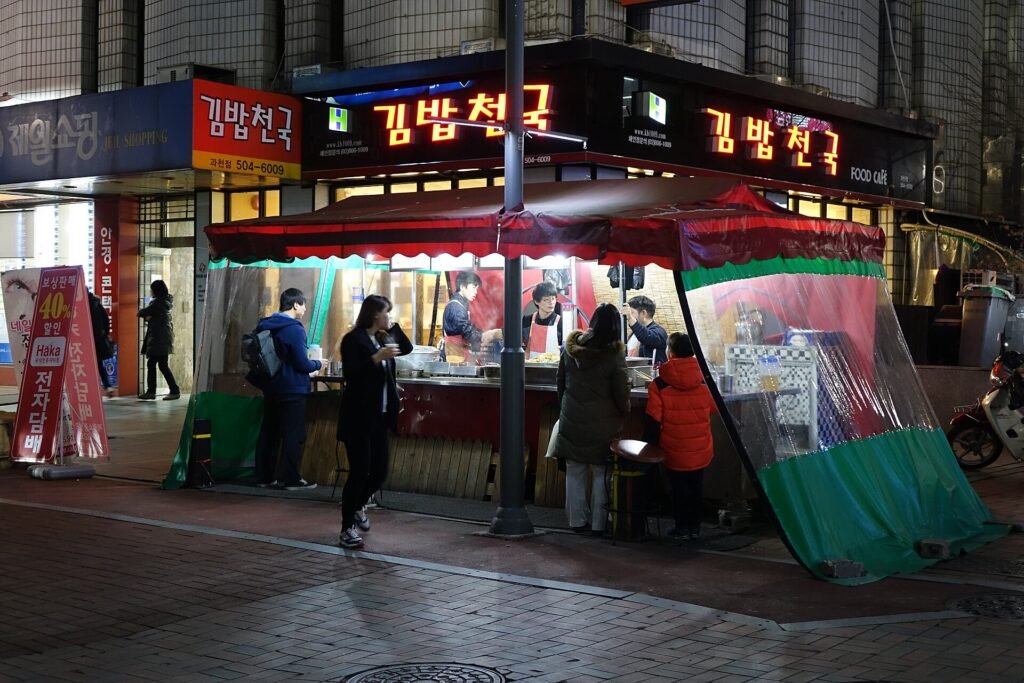
Photo: 2015년 12월 경기도 과천시 20151211 DSC05690 by 최광모 (Choe Kwangmo), CC0, via Wikimedia Commons
I’m sitting on a plastic stool under a blue tarp, a bottle of soju sweating on the table, and a plate of haemul pajeon sizzling in front of me. The ajumma running the tent just smiled, said something I only half understood, and topped up my glass anyway. I’ve been doing this in Seoul for over a decade, and this Korean pojangmacha guide for foreigners is everything I wish someone had handed me the first time I ducked under one of those tarps.
Pojangmacha (포장마차) are Korea’s iconic street food tents — portable stalls covered by plastic tarps with a gas burner, a folding table, and a few wobbly stools. They serve simple food and cheap drinks, and they’re the most authentic way to spend a weeknight in Seoul without spending much money.
What Is a Pojangmacha? The Korean Street Tent Explained
The word breaks down as pojang (포장, covering) and macha (마차, cart). These portable stalls first appeared after the Korean War when vendors needed a low-cost way to feed people on the streets. Today they are clustered near subway exits, river parks, and university districts all over Seoul — and they haven’t changed much since then.
The person running the tent is almost always an older woman called an ajumma. She manages everything: taking orders, grilling food, pouring drinks, and calculating the bill from memory at the end. Think of her as both chef and host. One burner, six menu items, and a mental ledger she never writes down. In 15 years of eating at pojangmacha, she has never once overcharged me.
Korean Pojangmacha Guide for Foreigners: What to Expect
Your first visit as a foreigner will feel slightly chaotic. There is usually no English menu. The ajumma will approach quickly and expect a quick answer. The seats are tiny plastic stools that wobble if you lean the wrong way. But here is the thing — the informality is the point. Nobody is judging you.
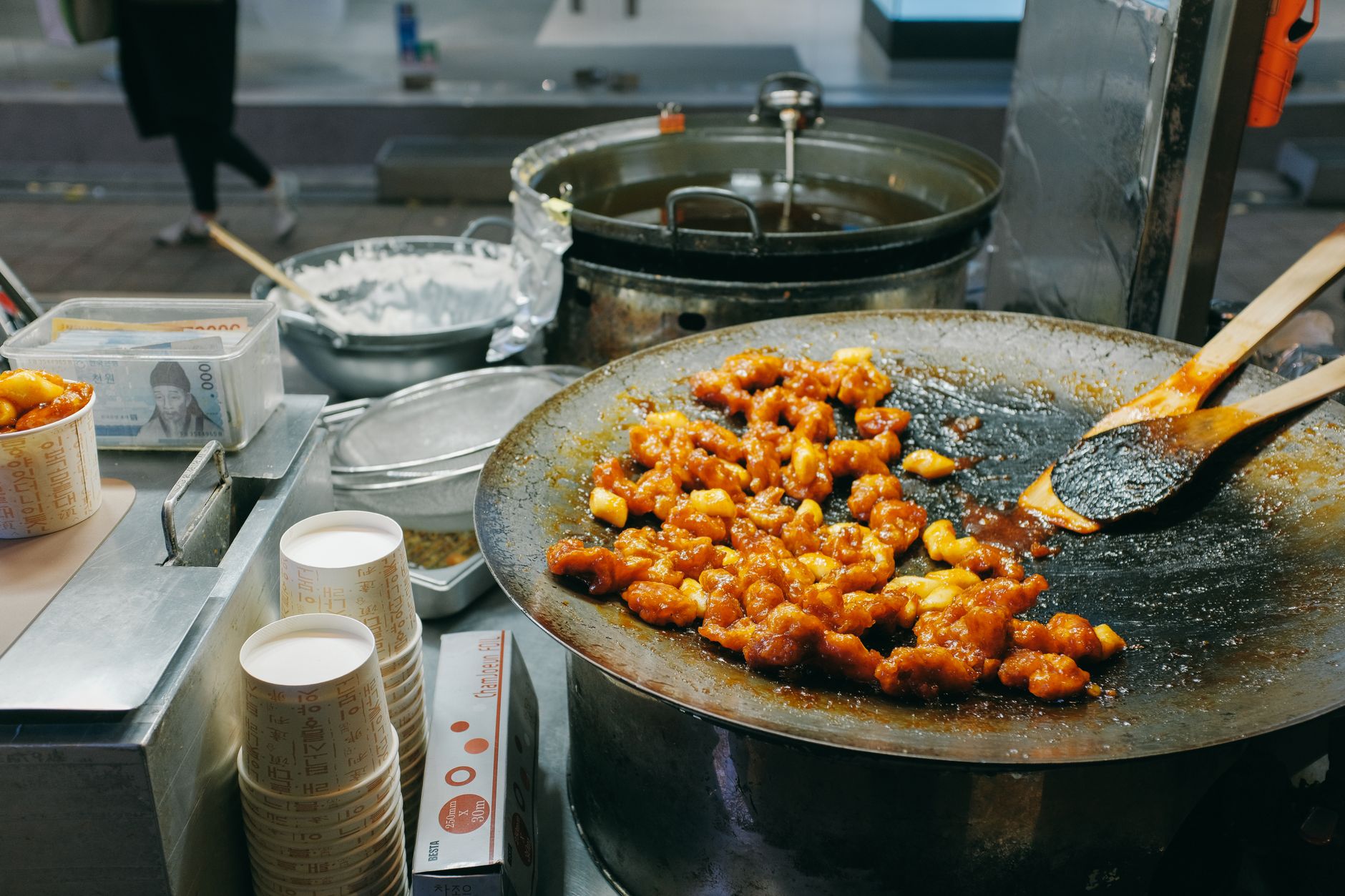
What you will encounter: outdoor seating (bring a light jacket if it is breezy), paper cups or small glass cups, food that arrives fast and hot, and a tab settled at the end. Cash is essential. Most pojangmacha in Seoul remain cash-only in 2026. Some newer spots take cards, but bring at least ₩30,000 in cash per person to be safe.
As a foreigner, you will get curious looks — mostly warm ones. A smile and “감사합니다” (gamsahamnida, thank you) goes a long way. On a warm summer night in Jongno 3-ga, the tables fill quickly by 7pm. Office workers loosen their ties, students share makgeolli, and the alley fills with the sound of clinking glasses and grilling pancake.
Where to Find the Best Pojangmacha in Seoul 2026
Not all pojangmacha zones are equal. These are the three I personally return to, listed from most traditional to most trendy.
Jongno 3-ga (종로3가) — The Classic
Jongno 3-ga station (Lines 1, 3 and 5) drops you directly into Seoul’s oldest and most concentrated pojangmacha zone. Tents line the alley for about 200 meters. Arrive after 6:30pm and walk one block past the exit — the second row of tents is more local and roughly 20% cheaper than the ones right at the exit. Active until 1am on weekdays, often past 2am on weekends.
Euljiro 3-ga (을지로3가) — The Trendy One
Euljiro’s pojangmacha scene has exploded over the last three years. Young Koreans in their 20s and 30s made this their after-work destination, tucking tents between old printing shops and neon-lit bars near Euljiro 3-ga station (Lines 2 and 3). The food is identical but the crowd skews younger. Your neighbor might be a Seoul art student or a K-drama costume designer.
Yeouido (여의도) — The Riverside Option
Near the Han River park exit of Yeouido station, several pojangmacha set up along the riverside road on summer weekends. Fewer tourists, better breeze. If you are already planning outdoor time along the water, our Han River picnic guide pairs perfectly with a pojangmacha nightcap on the same evening.
What to Order at a Pojangmacha — Food and Drinks
The menu at most pojangmacha rotates around five or six items. Here is what to order as a first-time visitor:
| Item | What It Is | Price (2026) |
|---|---|---|
| 어묵/오뎅 (Eomuk/Odeng) | Fish cake skewers simmered in hot broth — the broth refill is free | ₩500–1,000 per skewer |
| 해물파전 (Haemul Pajeon) | Crispy seafood and green onion pancake | ₩10,000–15,000 |
| 떡볶이 (Tteokbokki) | Spicy rice cakes in red sauce | ₩4,000–5,000 |
| 순대 (Sundae) | Korean blood sausage with glass noodles — milder than it sounds | ₩5,000–6,000 |
| 소주 (Soju) | Korea’s clear spirit at 16–17% ABV, one bottle serves one to two people | ₩4,000–5,000 |
| 막걸리 (Makgeolli) | Milky rice wine, slightly sweet, served in a communal kettle | ₩6,000–8,000 |
One local-only detail: the broth in the eomuk tank is free to sip with the ladle provided. Do it. It is the best soup you will have in Seoul for zero won, and nobody will think twice about you doing it. For more on Seoul street food specifics, see our deep-dive tteokbokki guide — the pojangmacha version is noticeably different from what you get in a restaurant.
How to Order Without Speaking Korean
The ajumma will approach and ask “뭐 드실래요?” (mwo deusilraeyo — what would you like?). Do not panic. Here is a three-step approach:
- Point at the menu or at the neighboring table’s food and say “이거 주세요” (igeo juseyo — this please).
- Hold up fingers for quantity. Koreans do this naturally even among themselves.
- For drinks: “소주 하나” (soju hana — one soju) or “맥주 두 개” (maekju du gae — two beers).
If there is no visible menu, ask “메뉴 있어요?” (menyu isseoyo — do you have a menu?). About half the time she will produce a handwritten list. The other half, go with whatever smells best coming off the grill. This same pointing-and-smiling strategy works at larger food markets too — our Gwangjang Market guide covers the exact same tactics for stall-to-stall navigation.
What You Will Actually Pay at a Pojangmacha in 2026
A comfortable pojangmacha evening for two people — one bottle of soju or a kettle of makgeolli, two plates of food (pajeon plus odeng), and maybe tteokbokki to share — runs approximately ₩25,000–35,000 total. That is ₩12,000–18,000 per person for a full evening of food and drink in the middle of Seoul.
The ajumma does not usually write down your order. She tracks it mentally. When you are ready to leave, say “계산해 주세요” (gyesan hae juseyo — please give me the bill) and she will calculate it from memory. If she rounds down, which happens often, say nothing and leave a small compliment instead.
Pojangmacha Etiquette: The Things Koreans Never Explain
This is the section of every Korean pojangmacha guide for foreigners that other blogs skip. Here is what actually matters at the table:
- Never pour your own soju. Pour for the person next to you and they will pour for you. When someone pours for you, hold your cup with two hands — it is a sign of respect.
- Say “건배!” (Geonbae) before the first shot. It means cheers. Even one word of effort is noticed and appreciated.
- Do not rush. Pojangmacha culture runs on slow time. Ordering everything at once and eating quickly is considered slightly odd. Order gradually and stay a while.
- Tipping is not done in Korea. Show appreciation by eating with enthusiasm and saying “맛있어요” (massisseoyo — it is delicious) when food arrives. The ajumma will beam.
- Do not hover at the entrance. Either sit down or move on — the tent is small and every spot is a working seat.
One last note: pojangmacha are best on a warm night with no particular plans afterward. They are not a quick stop — they are a destination. The official Korea Tourism Organization has useful background on Korean food culture and travel planning if you want more context before your trip.
Frequently Asked Questions
Is pojangmacha safe and hygienic for foreigners to eat at?
Yes. Seoul’s pojangmacha vendors are inspected by the Seoul Metropolitan Government. Food is cooked to order on gas burners in front of you. Stick to hot, freshly cooked items like pajeon, odeng, and tteokbokki. Hundreds of thousands of locals eat at pojangmacha every week without issue.
Can I eat alone at a pojangmacha in Seoul?
Absolutely. Solo diners are common, especially in Euljiro. Grab a stool, order a kettle of makgeolli and a plate of odeng, and enjoy the evening. The ajumma will often chat with you if you show any interest. Many foreigners describe solo pojangmacha visits as one of their best experiences in Seoul.
What hours are pojangmacha open in Seoul?
Most pojangmacha open around 5–6pm and run until midnight or 1am. Peak hours are 7–10pm when the after-work crowd arrives. Jongno 3-ga tents stay active until 1am on weekdays and past 2am on Fridays and Saturdays.
