
Korean Etiquette: Essential 2026 Tips for Foreigners
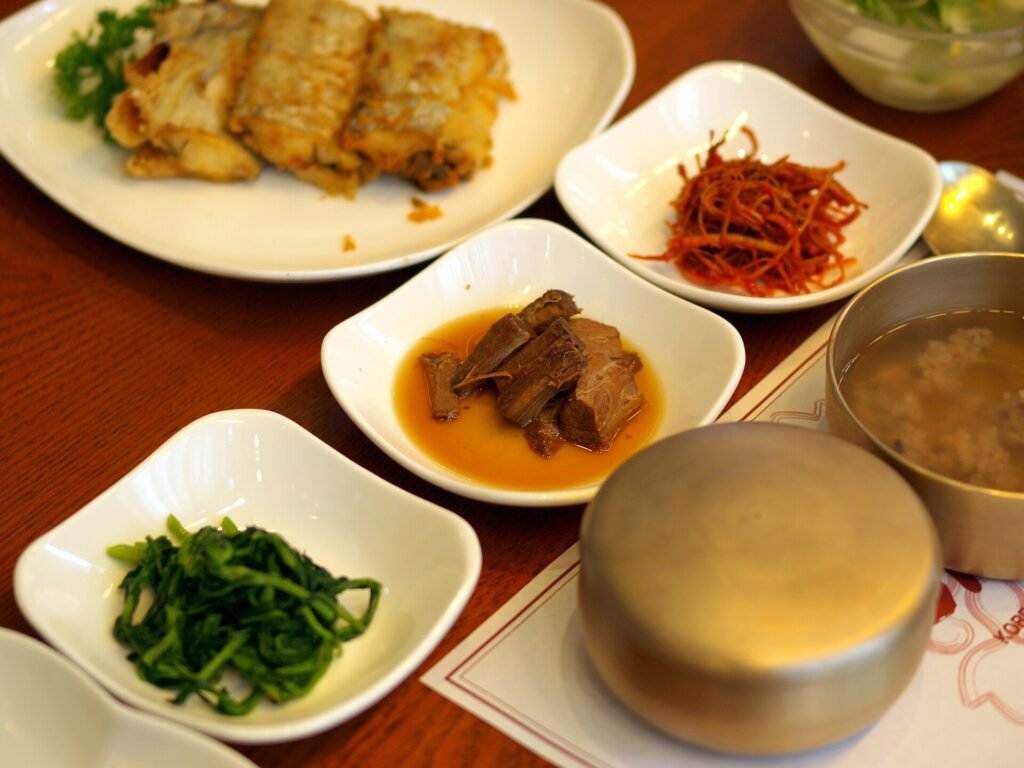
Photo: Korean table setting-01 by Alan Chan, CC BY-SA 2.0, via Wikimedia Commons
New to Korean etiquette? These are the essential Korean etiquette tips every foreigner should know.
Having lived in Seoul for years, I’ve seen countless visitors charmed by Korea’s vibrant culture, but also occasionally puzzled by its unique customs. If you’re planning a trip to this incredible country, understanding Korean Cultural Etiquette is key to a smooth and enriching experience. It’s not just about avoiding faux pas; it’s about showing respect and truly connecting with the local way of life.
📋 Quick Guide Map
The Heart of Korean Manners: Respect and Harmony
The bow is deeper depending on age gap and formality. A slight nod works fine for peers. Two hands when receiving anything from an elder. These aren’t rigid rules — they’re just what creates a good impression.
Korean society places a high value on respect, especially for elders, and maintaining harmony in social interactions. Many customs stem from these core values, and while Koreans are generally understanding of foreigners, making an effort goes a long way.
1. The Art of the Bow
While not as formal as in some other Asian cultures, a slight bow is a common greeting and a sign of respect. You’ll see it when meeting new people, thanking someone, or apologizing. A simple nod of the head often suffices in casual settings, but a deeper bow is appropriate for more formal situations or when addressing someone significantly older or in a position of authority.
The Art of the Bow
2. The Two-Handed Gesture: A Sign of Deference
This is perhaps one of the most noticeable and important customs. When giving or receiving anything—be it money, a drink, a business card, or even a small item—always use two hands. This gesture signifies respect and humility. For example, when receiving a drink, hold your glass with both hands. When handing over your credit card, offer it with two hands.
3. Dining Etiquette: Sharing and Respect
Korean dining is often a communal experience, and there are a few unwritten rules to observe:
•Serving Others First: Especially if you’re dining with elders, always serve them first. Pour their drinks and offer them food before taking your own.
•Drinking with Elders: If you’re drinking alcohol with someone older, it’s customary to turn your head slightly away from them when taking a sip. This is another gesture of respect.
•No Rice Bowl Lifting: Unlike some other Asian cultures, it’s generally not customary to lift your rice bowl to your mouth while eating. Keep it on the table.
Unique Korean Customs You Should Know
Beyond general manners, some customs are distinctly Korean and essential for visitors to understand.
The Indoor Shoe Etiquette
This is a big one! Always, always remove your shoes when entering a Korean home, a traditional restaurant, or certain temples and guesthouses. You’ll usually see a shoe rack or a designated area near the entrance. Stepping onto a clean indoor floor with your outdoor shoes is considered highly impolite. Look for slippers provided for indoor use.
Practical Tips for a Seamless Trip
While cultural etiquette is vital, practical knowledge makes your trip even smoother:
•Navigation: Ditch Google Maps for walking and public transport. Naver Maps or Kakao Maps are your best friends in Korea.
•Payment: Consider getting a WowPass for an all-in-one prepaid debit and T-Money (transportation) card. Major bank ATMs (KB, Shinhan, Woori, Hana) labeled “Global ATM” are best for cash withdrawals.
•Translation: Papago is highly recommended for translations, especially with its excellent conversation and image translation features.
Conclusion: Embrace the Experience
Korea is a country that beautifully blends ancient traditions with hyper-modernity. By understanding and respecting these cultural nuances, you’ll not only avoid awkward situations but also gain a deeper appreciation for the country and its people. So, which aspect of Korean Cultural Etiquette are you most excited to practice on your next trip?
Quick Answers
What is essential Korean etiquette for foreigners?
Key Korean etiquette includes bowing slightly when greeting, using two hands to give or receive items from elders, and removing your shoes indoors when expected.
Is tipping expected in Korea?
No. Tipping is not part of Korean etiquette and is generally not expected at restaurants, taxis, or hotels; good service is simply standard.
How should I behave on Korean public transport?
Keep conversations and phone calls quiet, give priority seats to elderly and pregnant passengers, and avoid eating, in line with everyday Korean etiquette.
📚 Keep exploring Korea:
More travel info: Korea Tourism Organization.
