

Korean Culture: 7 Honest Aspects Foreigners Find Amazing 2026
Few things fascinate visitors like Korean culture — here are the unique aspects of Korean culture that intrigue foreigners most in 2026.
📋 In This Guide
Introduction
The aspect foreigners most consistently underestimate is how seriously Koreans take group harmony — not conformity, harmony. These are genuinely different things, and that distinction matters in almost every setting.
South Korea, a nation renowned for its rapid technological advancements and vibrant pop culture, also harbors a rich tapestry of unique cultural practices and social norms that often captivate and sometimes surprise foreign visitors. This report delves into several distinctive aspects of Korean culture that are particularly intriguing to outsiders, offering insights into the underlying values and historical contexts that shape them.
1. The “Ppalli-Ppalli” (빨리빨리) Culture
One of the most frequently observed and often discussed cultural traits in Korea is the “Ppalli-Ppalli” (빨리빨리) culture, which literally translates to “hurry-hurry” or “quickly-quickly” . This pervasive mindset emphasizes speed, efficiency, and urgency in almost every facet of life, from daily routines to national development projects. Foreigners often encounter this in the fast-paced nature of public transportation, rapid service in restaurants, and even the swift adoption of new technologies .
While it can initially be a source of culture shock, the “Ppalli-Ppalli” ethos is deeply intertwined with Korea’s remarkable economic growth and its ability to overcome challenges with incredible speed. It reflects a collective drive for progress and a dynamic energy that has propelled the nation forward .
2. The Concept of “Jeong” (정)
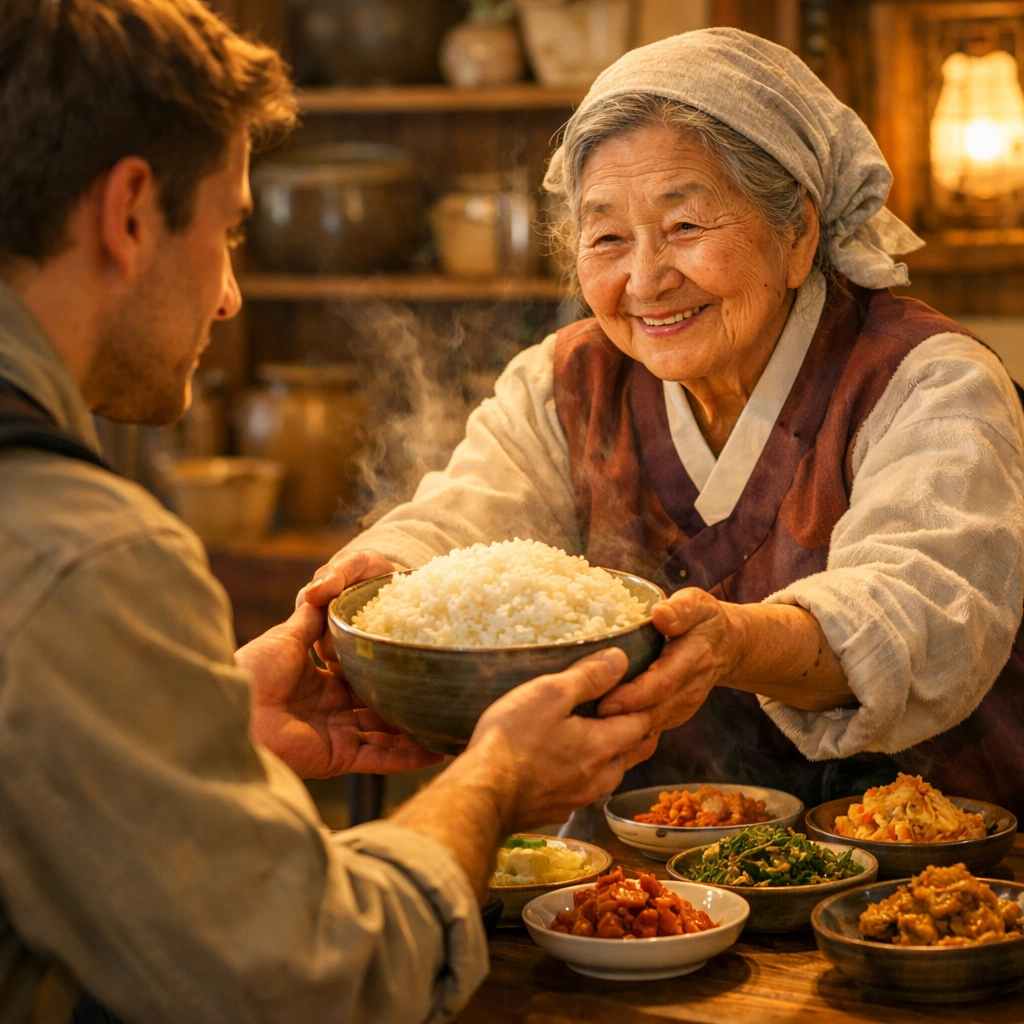
“Jeong” (정) is a uniquely Korean concept that defies a direct English translation. It encompasses a complex blend of deep affection, emotional attachment, empathy, and a sense of belonging that develops between people over time . It’s a feeling of warmth and connection that can be shared between family members, friends, colleagues, and even strangers after a shared experience.
Foreigners often experience “Jeong” through acts of unexpected kindness, generosity, and the strong communal bonds observed in Korean society. It manifests in sharing food, offering help without being asked, and a general sense of collective responsibility and care . Understanding “Jeong” is key to grasping the nuances of Korean interpersonal relationships.
3. “Honbap” (혼밥) and Solo Dining Culture
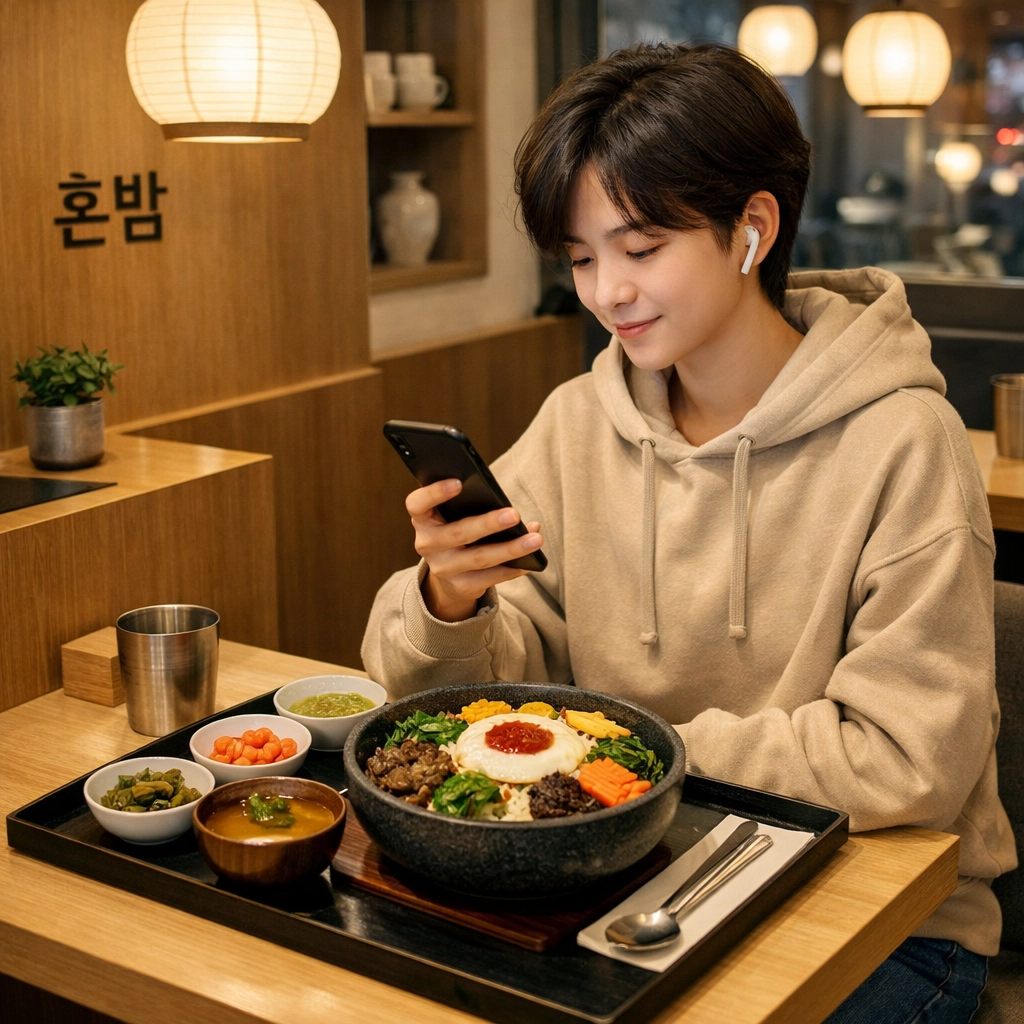
While Korea is known for its communal dining experiences, the rise of “Honbap” (혼밥), or solo dining, has become a significant cultural trend, particularly among younger generations . This phenomenon reflects changing lifestyles, increased individualism, and the growing acceptance of eating alone without social stigma. Restaurants and cafes have adapted by offering single-person tables and menus tailored for solo diners.
For foreigners, “Honbap” can be a surprising contrast to the strong emphasis on group activities. However, it also offers a comfortable way to enjoy Korean cuisine at one’s own pace and explore various dining options independently .
4. The “Cagongjok” (카공족) Phenomenon
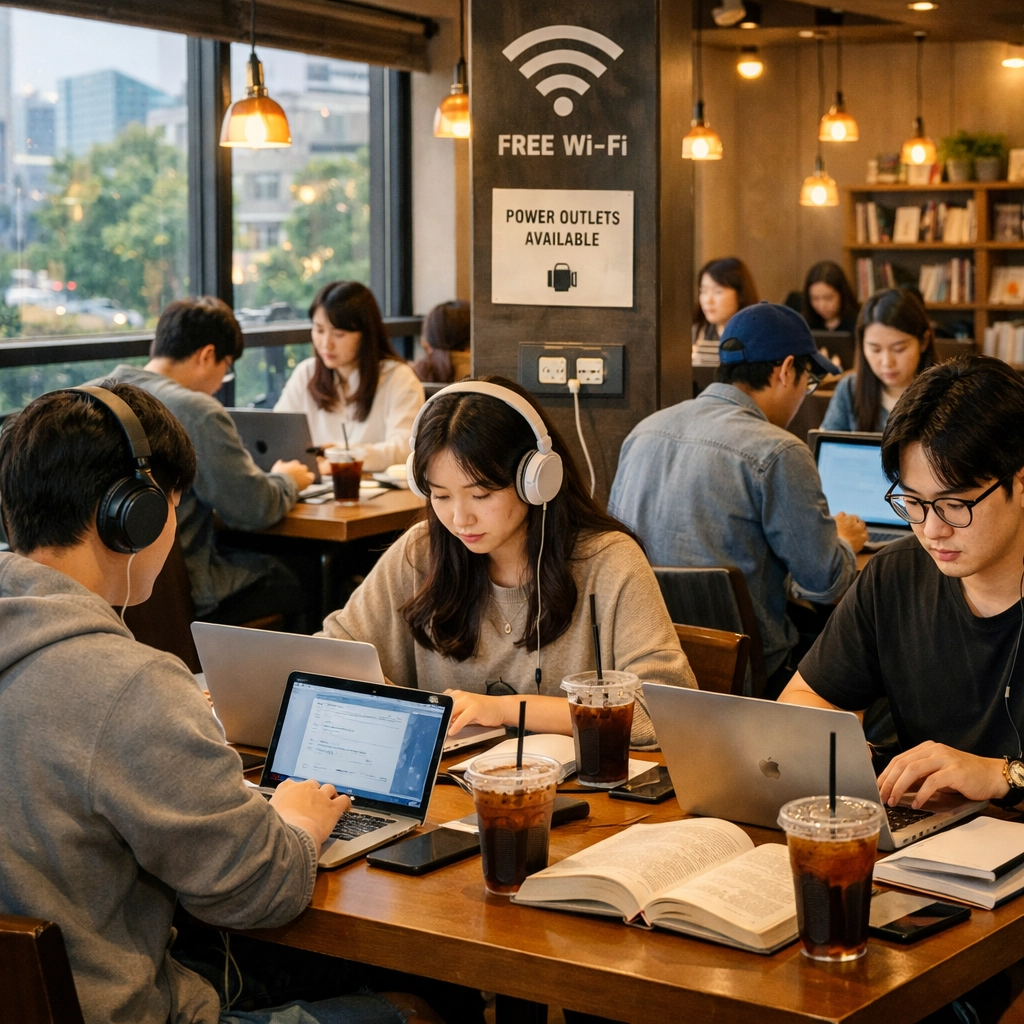
“Cagongjok” (카공족), a portmanteau of “cafe” and “gongbu-jok” (study tribe), refers to individuals who utilize cafes as their primary workspace or study environment . This trend is particularly prevalent among students and remote workers who seek a stimulating yet comfortable atmosphere outside of traditional libraries or offices. Cafes in Korea are often equipped with ample seating, Wi-Fi, and power outlets, making them ideal for long study or work sessions.
Foreigners might find the sheer number of people working or studying in cafes unusual, but it highlights the competitive academic and professional environment in Korea, as well as the social aspect of studying or working in a public space .
5. No Tipping Culture
Unlike many Western countries where tipping is customary, South Korea has a virtually non-existent tipping culture . Service charges are typically included in prices, and attempting to leave a tip can sometimes be met with confusion or even be considered impolite. This applies to restaurants, taxis, hotels, and other service industries.
This absence of tipping is often a pleasant surprise for foreigners, as it simplifies transactions and ensures that the price displayed is the final price. It reflects a cultural understanding that good service is an expected part of the job, rather than something that requires additional compensation .
6. Restaurant Call Buttons
In many Korean restaurants, particularly those serving communal dishes, diners will find a small button on their table. Pressing this button alerts the staff that service is required, whether to place an order, ask for refills, or request the bill . This system is a practical solution that minimizes unnecessary hovering by staff and allows diners to enjoy their meal undisturbed until they need assistance.
Foreigners often appreciate the efficiency and convenience of this system, which contrasts with the need to flag down servers in many other countries. It’s a small but significant detail that enhances the dining experience .
7. The Kimchi Refrigerator
Kimchi, the iconic fermented cabbage dish, is a cornerstone of Korean cuisine. So much so that many Korean households possess a dedicated “Kimchi refrigerator” . These specialized refrigerators are designed to maintain optimal temperatures and humidity levels for fermenting and storing large quantities of kimchi, preserving its unique flavor and texture throughout the year.
This dedicated appliance highlights the profound cultural importance of kimchi in Korean daily life and the meticulous care taken to ensure its quality. It’s a fascinating glimpse into the culinary traditions of the country .
Conclusion
South Korea offers a wealth of unique cultural experiences that extend far beyond its globally recognized entertainment and technology. From the dynamic “Ppalli-Ppalli” spirit to the deep emotional bonds of “Jeong,” and from modern social trends like “Honbap” and “Cagongjok” to practical customs like restaurant call buttons and the specialized Kimchi refrigerator, these aspects provide a deeper understanding of Korean society. For any foreigner, exploring these cultural nuances can enrich their visit and foster a greater appreciation for this captivating nation.
References
[1] Korea’s “Pali-pali” Culture and It’s Dynamism. chrissantosra.wordpress.com.
[2] South Korea’s unstoppable taste for haste. bbc.com.
[3] The uniquely Korean concept of Jeong (정/情). knowingkorea.org.
[4] Jeong: a concept to be experienced, not defined. korea.net.
[5] How Eating Alone Became Korea’s Trendiest Habit. easytolearnkorean.com.
[6] What ‘cagongjok’ reveal about Korean culture, psyche. koreaherald.com.
[7] Tipping In Korea: The Complete Guide to Tipping Culture. thesoulofseoul.net.
[8] Why Do Korean Restaurants Have a Call Bell on Tables?. discover.hubpages.com.
[9] 10 Korean Quirks and Oddities. travelworldheritage.com.
Questions People Ask Me
What aspects of Korean culture surprise foreigners most?
Visitors are often surprised by Korean culture’s fast delivery, respect-based speech levels, shoe-free homes, late-night dining, and the strong role of sharing food.
Is Korean culture easy for foreigners to understand?
With a few basics — age-based respect, dining etiquette, and greetings — Korean culture becomes much easier to navigate, and locals are patient with learners.
What is considered polite in Korean culture?
Using two hands with elders, bowing when greeting, and not pouring your own drink are simple gestures that show respect in Korean culture.
📚 More from HelloKoreaGuide:
