
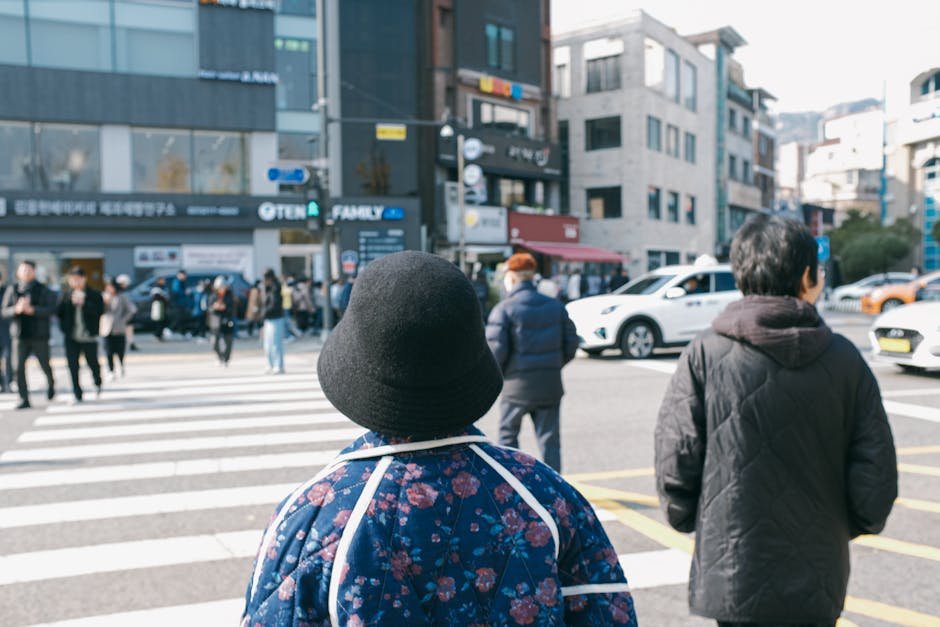
Korean Culture for Beginners: The Best 2026 Etiquette Guide
Introduction
If you are planning to visit Korea or stay for a longer period, understanding Korean culture will make your experience much smoother and more enjoyable. Korea is a country where tradition and modern lifestyle coexist, and this unique combination often surprises first-time visitors.
From dining etiquette to social behavior, there are several cultural aspects that may feel unfamiliar at first. This guide will help you understand the basics of Korean culture so you can feel more confident and comfortable during your stay.
📋 What’s Inside
1. Understanding Respect and Hierarchy
The most useful Korean etiquette principle for any foreigner: when in doubt, be slightly more formal than you think you need to be. You can always relax later. Recovering from being too casual is harder.
One of the most important aspects of Korean culture is respect, especially toward elders. Age plays a significant role in social interactions.
In Korea, people often ask your age when they first meet you. This is not considered rude—it helps determine how to speak and behave appropriately.
There are two main speech levels:
- Formal (Honorific language) – used for elders, strangers, or in professional settings
- Informal (Casual language) – used among close friends or people of the same age
Using the correct level of politeness is essential in Korean society.
2. Dining Etiquette in Korea
Korean dining culture is very unique and comes with its own set of rules.
Key things to remember:
- Wait for the eldest person to start eating first
- Do not lift your rice or soup bowl (unlike some other Asian cultures)
- Use both hands when pouring drinks for others
- It is polite to turn your head slightly away when drinking alcohol in front of elders
Meals in Korea are often shared, with multiple side dishes (called banchan) placed in the center of the table.
Eating together is considered an important way of bonding.
3. Shoes Off Indoors
In Korea, it is customary to remove your shoes before entering someone’s home.
Many traditional and modern homes have a separate area at the entrance for shoes. Walking inside with shoes is considered disrespectful.
This rule may also apply to:
- Some traditional restaurants
- Guesthouses
- Cultural spaces
Always check before entering.
4. Public Behavior and Social Norms
Korea is known for being clean, safe, and well-organized. Following basic public etiquette is important.
Common social norms:
- Speak quietly on public transportation
- Give priority seats to elderly, pregnant women, and disabled passengers
- Do not eat on buses or subways
- Queue properly and respect personal space
Even in busy cities, people tend to follow these rules strictly.
5. The Importance of Appearance
Appearance is quite important in Korean society. This does not necessarily mean expensive clothing, but rather being neat and presentable.
People often pay attention to:
- Clean and tidy outfits
- Well-groomed hair
- Overall hygiene
First impressions matter, especially in professional or formal situations.
6. Fast-Paced Lifestyle
Korea is known for its fast-paced culture, often described as “ppalli-ppalli” (meaning “hurry, hurry”).
You may notice:
- Fast service in restaurants
- Quick delivery systems
- Efficient public transportation
While this can feel overwhelming at first, it is one of the reasons why daily life in Korea is very convenient.
7. Safety and Convenience
Korea is considered one of the safest countries in the world.
Many visitors are surprised by:
- People leaving belongings unattended in cafes
- Walking safely at night
- Advanced security systems
Convenience is also a big part of Korean life, with 24-hour convenience stores and fast online services available almost everywhere.
Practical Tips for First-Time Visitors
Here are some useful tips to help you adjust more easily:
- Learn a few basic Korean phrases (hello, thank you, excuse me)
- Carry a transportation card for easy travel
- Always show respect when unsure about cultural behavior
- Observe what locals do and follow their lead
Small efforts can make a big difference in how you experience Korea.
Conclusion
Understanding Korean culture does not require perfection—it simply requires awareness and respect.
By learning these basic cultural norms, you will not only avoid misunderstandings but also create more meaningful interactions with locals.
Korea offers a rich cultural experience, and being prepared will help you enjoy it to the fullest.
If you are planning your trip, take the time to explore and embrace the culture—you might find it both fascinating and welcoming.
Quick Answers
What should beginners know about korean culture?
For beginners, korean culture revolves around respect for elders, group harmony, dining etiquette, and customs like removing shoes indoors and bowing when greeting.
What are common etiquette mistakes in Korea?
Common mistakes include pouring your own drink, using one hand with elders, or wearing shoes inside a home — all easily avoided once you learn korean culture basics.
Do I need to speak Korean to visit?
No, but learning a few polite phrases is appreciated and helps you connect, as language and courtesy are closely tied in korean culture.
📚 Keep exploring Korea:
More travel info: Korea Tourism Organization.
