
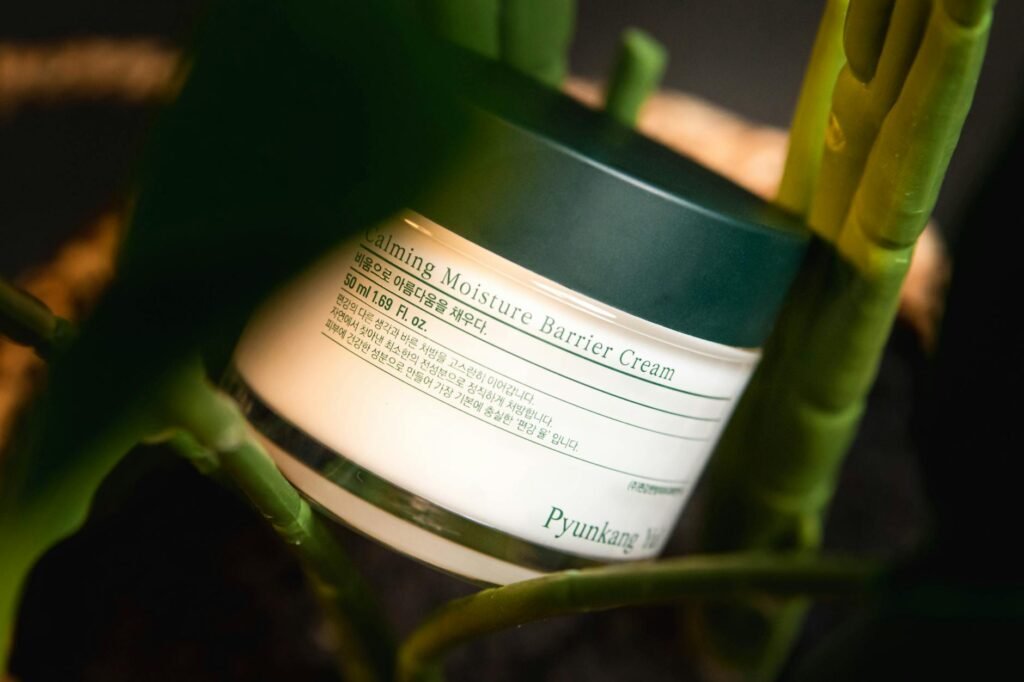
Hanbang Skincare 2026: The Best Honest K-Beauty Herbal Guide
My mother-in-law mixes her own facial toner using ingredients she picks up at the herbal market near Suwon. She’s 67 and her skin is remarkable — genuinely. I’m not ready to say it’s entirely down to hanbang ingredients, but I’m not ready to dismiss it either. After watching her routine for years and trying a few things myself, here’s what I actually think is worth your attention.
📋 Quick Navigation
What Is Hanbang Skincare?
My mother-in-law has used the same ginseng serum for fifteen years — Sooryehan, not the big brands. Hard to find in stores but easy on Coupang. Her skin at 67 is evidence enough.
Hanbang skincare draws from the Korean traditional medicine (한의학, hanuihak) system that has been in practice for over two thousand years. Rather than treating skin as a surface problem, hanbang approaches beauty holistically — skin health is seen as a reflection of internal balance, circulation, and vitality. Ingredients are chosen not just for topical benefit but for their systemic properties: calming inflammation, supporting circulation, and harmonizing the body’s energy.
In practice, hanbang skincare means products that lead with herbal roots, plant extracts, and fermented botanicals rather than synthetics. The philosophy emphasizes prevention and long-term skin health rather than quick, visible correction. This is why Korean women who have used hanbang products consistently for years often have extraordinarily healthy-looking skin as they age — not dramatically transformed skin, but skin that simply functions very well.
Why Hanbang Skincare Is Trending Harder Than Ever in 2026
Hanbang skincare has been popular in Korea for as long as I can remember, but its international explosion in 2026 comes from several converging forces. The clean beauty movement created international appetite for ingredients with documented traditional use — and hanbang has centuries of that. When global consumers grew skeptical of synthetic formulations with complicated safety records, traditional botanical ingredients started looking very attractive.
Korean brands also made a smart pivot. Instead of presenting hanbang as antiquated pharmacy medicine, they reframed it as luxury heritage beauty — sleek packaging, minimal branding, and compelling storytelling. Beauty of Joseon’s bottles look like they belong in a museum shop. Sulwhasoo’s flagship stores in Apgujeong feel more like art galleries than cosmetics counters. The aesthetic upgrade made hanbang skincare aspirational globally in a way it had never been before.
On Instagram and Xiaohongshu (the Chinese social platform driving enormous K-beauty sales), hanbang skincare posts have been consistently trending throughout 2025 and into 2026. The combination of visual elegance, natural ingredient stories, and genuinely effective formulas has proven irresistible to the beauty community worldwide.
Key Hanbang Skincare Ingredients You Need to Know
Understanding the hero ingredients makes choosing hanbang skincare much easier:
- Ginseng (인삼, insam): The cornerstone of hanbang skincare. Rich in ginsenosides — compounds with antioxidant, anti-inflammatory, and skin-brightening properties. Red ginseng (홍삼, hongsam), which is steamed and dried ginseng, is considered even more potent and is found in premium products. I have used red ginseng creams consistently for years and credit them with much of my skin’s current resilience.
- Mugwort (쑥, ssuk): A calming anti-inflammatory herb that soothes redness, supports the skin barrier, and improves hydration retention. Gentle enough for sensitive and reactive skin. My teenage daughter uses mugwort toner for her acne-prone complexion with excellent results.
- Bamboo sap (대나무 수액): Deeply hydrating and rich in silica, which firms texture and gives skin that characteristic dewy Korean finish. Found in many lightweight serums and mists.
- Red dates (대추, daechu): High in vitamin C and antioxidants, traditionally used to support circulation and a bright, even complexion. Found in eye creams and brightening essences.
- Lotus: Anti-inflammatory and naturally astringent, lotus extract is excellent for controlling pore appearance and regulating oil production without stripping moisture.
- Fermented extracts: Fermented rice water, fermented soybean, and galactomyces are the bridge between hanbang tradition and modern K-beauty science. Fermentation breaks down botanical molecules into smaller particles that penetrate deeper into the skin.
Hanbang Skincare vs. Regular K-Beauty: What Is the Actual Difference?
All hanbang skincare is K-beauty, but not all K-beauty is hanbang. Conventional Korean skincare emphasizes layering, hydration, and targeted actives: niacinamide for brightening, hyaluronic acid for moisture, retinol for anti-ageing, vitamin C for pigmentation. These are effective and evidence-based, but they work primarily on specific skin problems with direct, measurable effects.
Hanbang skincare works differently. It is less concerned with correcting specific problems and more focused on building the conditions for skin to function optimally on its own. The improvements are more gradual and holistic — better overall texture, more even skin tone, improved resilience to stress and environmental factors.
Most Korean women I know use both. A hanbang essence and moisturiser form the foundation of daily skin health; a niacinamide serum or exfoliating toner gets added on specific days to address targeted concerns. The two philosophies complement each other rather than competing. If you are new to Korean skincare layering in general, our guide on achieving Korean glass skin in 2026 explains the layering logic that makes everything work together.
Best Hanbang Skincare Products Worth Trying in 2026
These are products I use personally or have seen consistent results with in my circle over the past year:
- Beauty of Joseon Dynasty Cream: The most accessible entry point into premium hanbang skincare right now. Contains red ginseng and niacinamide in a rich but non-greasy formula. Genuinely improved my skin’s evening tone after about eight weeks of consistent use. Available at Olive Young and internationally through their website.
- Sulwhasoo First Care Activating Serum: This goes on first, before toner, before everything — and it creates a primed base that helps every subsequent step absorb more effectively. If you are going to invest in one high-end hanbang product, this is the one with the most consistent decades-long reputation among Korean women.
- I’m From Mugwort Essence: My recommendation for hanbang beginners. Very gentle, visibly effective at calming redness and smoothing texture, and affordable enough to use generously. I have given this as a gift to every foreign colleague visiting Seoul who asks what to buy at Olive Young.
- Beauty of Joseon Ginseng Eye Serum: One of the most loved hanbang eye products internationally in 2026. Ginseng boosts circulation (crucial for under-eye area), while retinal addresses fine lines. Worth the investment.
- Ma:nyo Factory Galactomyces Fermented Essence: A fermented hanbang-adjacent formula that brightens, refines pores, and improves texture over time. One of the most reliable everyday performers in my bathroom for three years running.
How to Build a Simple Hanbang Skincare Routine in 2026
You do not need to overhaul your entire routine to start benefiting from hanbang skincare. Here is the layered approach I use:
- Cleanse: A gentle oil cleanser followed by a low-pH foam cleanser (double cleansing). Hanbang cleansers often contain herbal extracts but any mild, pH-balanced option works here.
- Hanbang toner or essence (while skin is still damp): A mugwort or fermented rice toner patted in gently with hands, not cotton pads. This step creates the base of moisture that everything else builds on.
- Ginseng or fermented serum: Two to three drops pressed into the skin with light pressure. Let it absorb fully before the next step.
- Hanbang moisturiser: The Dynasty Cream in autumn and winter, a lighter bamboo gel-cream in Seoul’s humid summer months. Adjust weight to your climate.
- SPF in the morning: Hanbang does not replace sun protection. Read our dedicated Korean sunscreen guide for 2026 for which SPFs actually feel good under makeup in Korean humidity.
If hair health is also a concern alongside your skin, our Korean hair care routine guide for 2026 covers the Korean approach to scalp-first hair health, which shares the same preventive philosophy as hanbang skincare. For further reading on Korean traditional medicine and its modern applications, the Korea Tourism Organization has resources on Korean heritage wellness practices.
Frequently Asked Questions
What is hanbang skincare and is it good for sensitive skin?
Hanbang skincare refers to Korean beauty products formulated with traditional medicinal herbs — primarily ginseng, mugwort, bamboo sap, and fermented botanicals. Because these ingredients are plant-derived and have been used medicinally for centuries, they tend to be gentle and are well tolerated by sensitive skin. Mugwort in particular is one of the most recommended hanbang skincare ingredients for reactive, easily irritated complexions.
Is hanbang skincare better than regular K-beauty?
Neither approach is universally superior — they serve different purposes. Hanbang skincare builds long-term foundational skin health through holistic herbal formulas, with gradual improvements over weeks and months. Regular K-beauty actives (niacinamide, retinol, vitamin C) target specific concerns for faster visible changes. Most Korean women combine both: hanbang essences and moisturisers as the daily base, conventional actives layered in for targeted work.
Where can I buy hanbang skincare products in Korea?
The best places to buy hanbang skincare in Korea are Olive Young stores (widespread, English-friendly staff, competitive prices), brand flagship stores like Sulwhasoo or Beauty of Joseon, and department store beauty counters at Lotte or Shinsegae. For budget-friendly options, Innisfree and I’m From are excellent. Internationally, Beauty of Joseon ships directly and is also widely available on Amazon and YesStyle.
