
Korean Buffet: The Best 2026 Guide for First-Timers
Wondering how a Korean buffet works? Here is an honest local guide to making the most of any Korean buffet.
📋 On This Page
Are you ready to dive into a culinary adventure that offers endless delights without breaking the bank?!
Korean buffets work on volume and variety — go genuinely hungry and pace yourself through sections. The seafood at better locations near Seoul is worth the higher price. Avoid the 12:30–1:30pm lunch rush.
Forget everything you thought you knew about buffets. In Korea, the “Han-sik Buffet” (한식 뷔페), or Korean-style buffet, is a hidden gem that offers an incredible array of authentic Korean dishes, allowing you to sample a bit of everything that makes Korean cuisine so beloved. It’s not just a meal; it’s a cultural experience, a journey through flavors, and a testament to Korea’s generous food culture.
A Taste of Korea, All on One Plate!
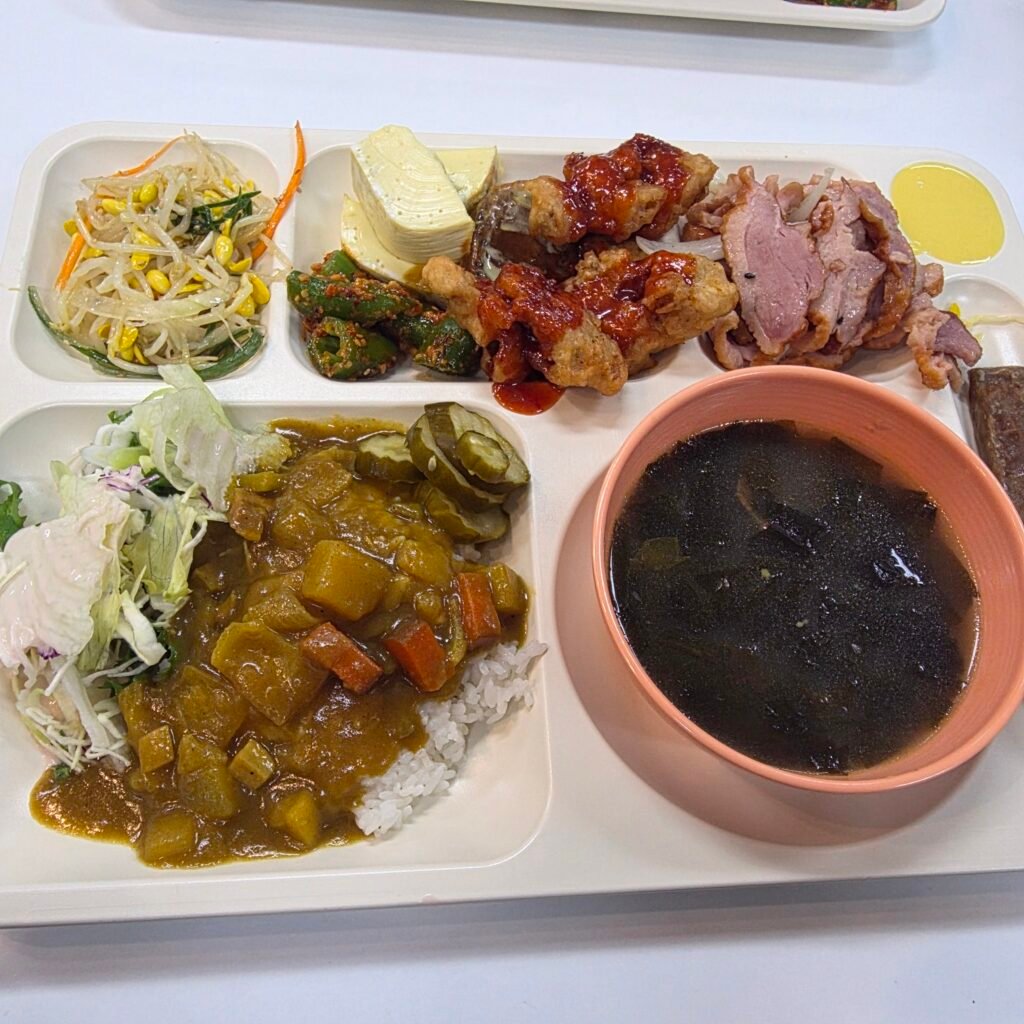
Imagine a place where you can pile your plate high with savory, spicy, and comforting Korean dishes, just like the locals do. The image before you perfectly captures the essence of a typical, hearty Korean buffet spread. Let’s break down what makes this experience so special:
•Yangnyeom Chicken (양념치킨): Crispy fried chicken coated in a sweet and spicy gochujang-based sauce. It’s a Korean staple, offering a perfect balance of crunch and flavor that’s utterly addictive. Why is it here? Because Koreans love their chicken, and a buffet isn’t complete without this crowd-pleaser!
•Smoked Duck (훈제오리): Tender, thinly sliced smoked duck, often served with a tangy mustard sauce. It’s a healthier yet equally delicious alternative to other meats, known for its rich flavor and satisfying texture.
•Kongnamul Muchim (콩나물무침): A refreshing side dish of seasoned soybean sprouts. Lightly blanched and tossed with sesame oil, garlic, and soy sauce, it provides a crisp, clean contrast to richer dishes. It’s a classic banchan (side dish) that highlights the fresh, wholesome aspect of Korean meals.
•Gyeran-jjim (계란찜): Steamed egg custard, incredibly soft and fluffy, almost like a savory cloud. It’s a comforting dish that melts in your mouth, often served to balance out spicier flavors.
•Curry Rice (카레라이스): While not exclusively Korean, Korean-style curry rice is a popular comfort food, featuring a milder, slightly sweeter curry sauce over fluffy white rice, often with potatoes and carrots. It’s a testament to Korea’s ability to adapt and embrace diverse flavors into its own culinary identity.
•Miyeok-guk (미역국): Seaweed soup, a deeply nourishing and savory broth often made with beef or seafood. It’s a traditional dish, especially significant for birthdays, symbolizing health and longevity. Its subtle, umami-rich flavor is a comforting presence in any Korean meal.
This diverse spread isn’t just about quantity; it’s about the harmony of flavors and textures that Korean cuisine is famous for. From the spicy kick of yangnyeom chicken to the soothing warmth of miyeok-guk, every dish plays a role in creating a balanced and satisfying meal. It’s a fantastic way to try many different dishes at once, discovering your new favorites without having to order full portions of each.
How to Conquer the Han-sik Buffet Like a Local!
Here’s a little secret from your Korean friend: Don’t just grab everything at once! Take small portions of many different dishes on your first round. This way, you can taste a wider variety and then go back for more of what you truly loved. Also, don’t forget to mix and match! Try a bite of smoked duck with a spoonful of curry rice, or use the kongnamul muchim to cleanse your palate between richer dishes. And always, always make sure to try the soup – it’s often the unsung hero of the meal!
Your Korean Culinary Journey Awaits!
Ready to experience this incredible culinary journey for yourself? A Han-sik buffet is an absolute must-try for any visitor to Korea. It’s an affordable, delicious, and authentic way to immerse yourself in the local food scene. You’ll leave with a full stomach and a deeper appreciation for the richness of Korean cuisine.
If this glimpse into the Korean buffet experience has whetted your appetite, you’ll love my other posts about Korean food! Check out my recommendations for the “Top 5 Must-Try Korean Street Foods” or “A Beginner’s Guide to Kimchi” to continue your culinary exploration. And if you have any questions about Korean buffets or anything else about Korean food, don’t hesitate to leave a comment below! I’d love to hear from you!
Korean Buffet (한식뷔페) Guide
8 essential tips for first-timers & foreign visitors
Before You Eat
① Start with the soup station
Korean meals always pair with soup — grab doenjang jjigae (fermented soybean) or miyeok guk (seaweed soup) first. It warms your stomach and sets the tone for the meal.
② Rice is the anchor, not a side
In Korean dining, steamed rice (bap) is the center of the plate. Everything else — the side dishes (banchan) — is meant to complement it, not replace it.
Navigating the Buffet
③ Don’t fear kimchi — try all the types Must-try
Most buffets serve 3–5 kimchi varieties: napa cabbage, radish (kkakdugi), cucumber, and more. They range from mild to fiery. Start with radish kimchi if you’re spice-sensitive.
④ Look for the grilled meat section
Bulgogi (sweet marinated beef) and dwaeji galbi (pork ribs) are crowd favorites. Wrap them in lettuce with a dab of ssamjang paste for the full experience.
⑤ Use small plates — go multiple rounds
Korean buffets reward grazing. Take small portions of many dishes rather than piling one plate high. This is how locals do it, and it lets you try far more variety.
Etiquette & Culture
⑥ Use serving utensils, not your chopsticks
Always use the shared tongs or ladles at each station — never your personal chopsticks or spoon. This is a firm hygiene norm in Korean dining culture.
⑦ Refills on banchan are free & expected
In buffet settings, side dishes are unlimited. Don’t hesitate to go back repeatedly — it’s completely normal and encouraged. No judgment whatsoever.
⑧ End with something sweet & light
Look for sikhye (sweet rice punch), misutgaru (grain drink), or traditional rice cakes (tteok) to close the meal the Korean way.
💡 Bonus tips:
Some buffets label the spicy dishes; if not, just ask the staff.
Average price range: ₩8,000–₩12,000 per adult for lunch. Great value for the variety you get.
Some locations enforce a 90-minute seating limit during peak hours — plan accordingly.
Frequently Asked Questions
How does a Korean buffet work?
At a Korean buffet you usually pay a fixed price, then serve yourself unlimited dishes; some grill or hotpot buffets cook food at your table while you add side dishes freely.
Are Korean buffets good value?
Yes, especially for big appetites — a Korean buffet offers a wide spread of Korean and international dishes for one set price, often with desserts and drinks included.
What’s the etiquette at a Korean buffet?
Take smaller portions and return for more to avoid waste, use serving tongs provided, and keep your table tidy as staff clear plates frequently.
📚 You might also like:
More travel info: Korea Tourism Organization.
